


 English

 Español
 中文简体

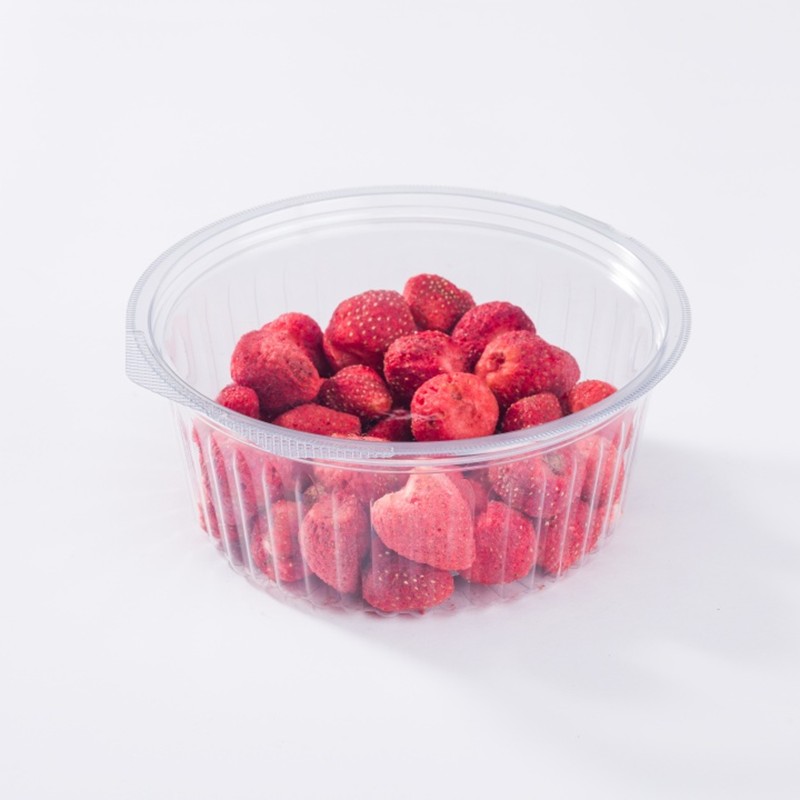
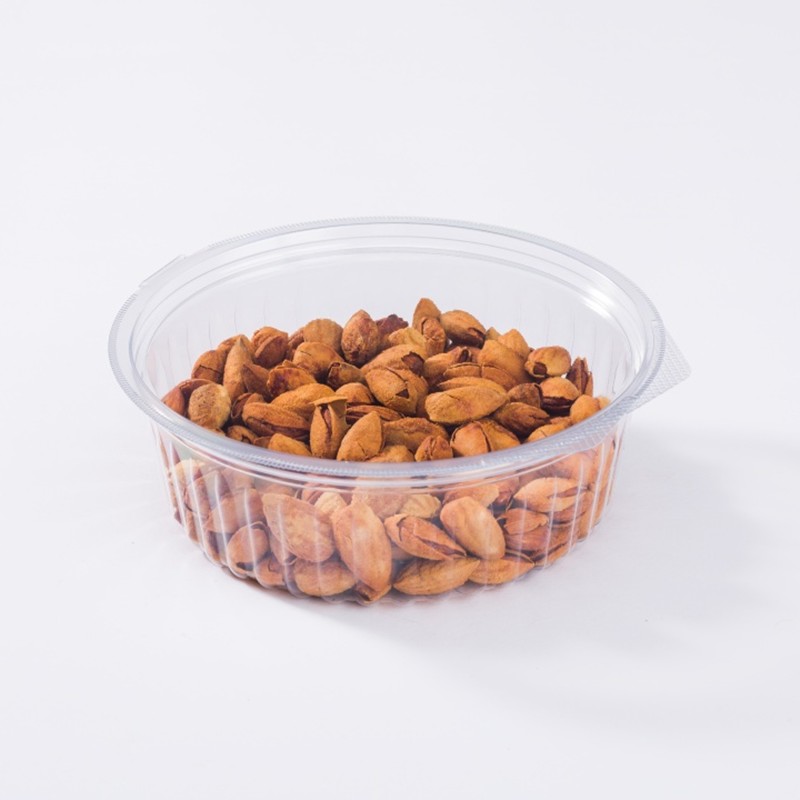
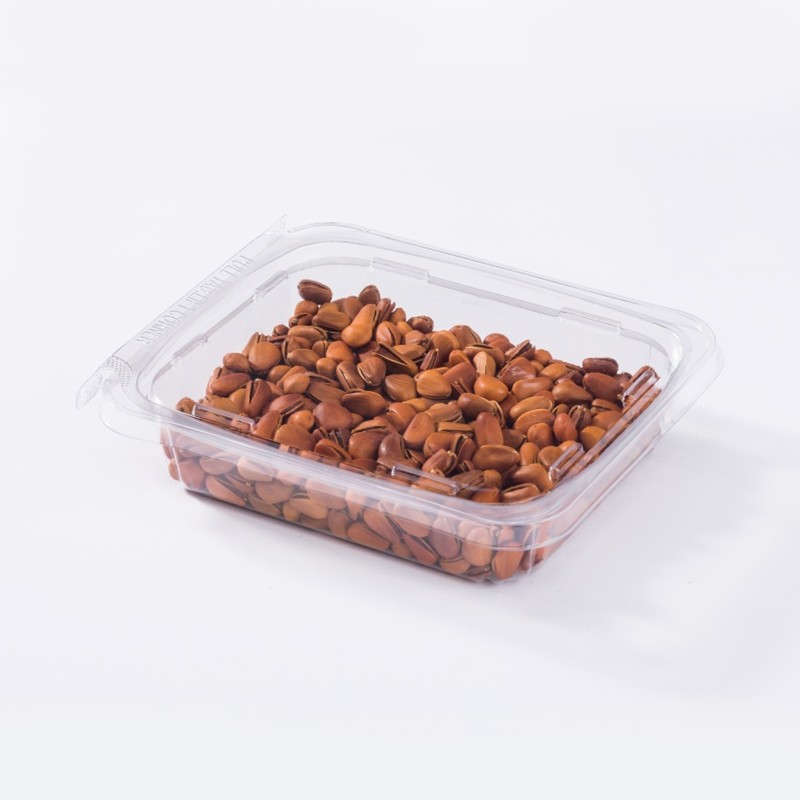
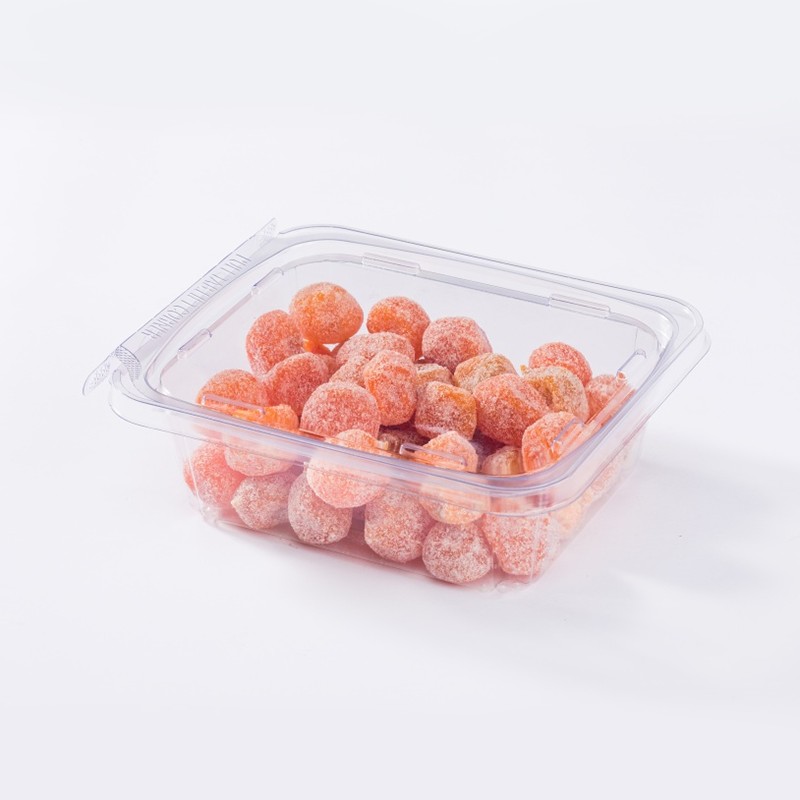


Food-Grade Produce Containers, Extruded and Formed In-House
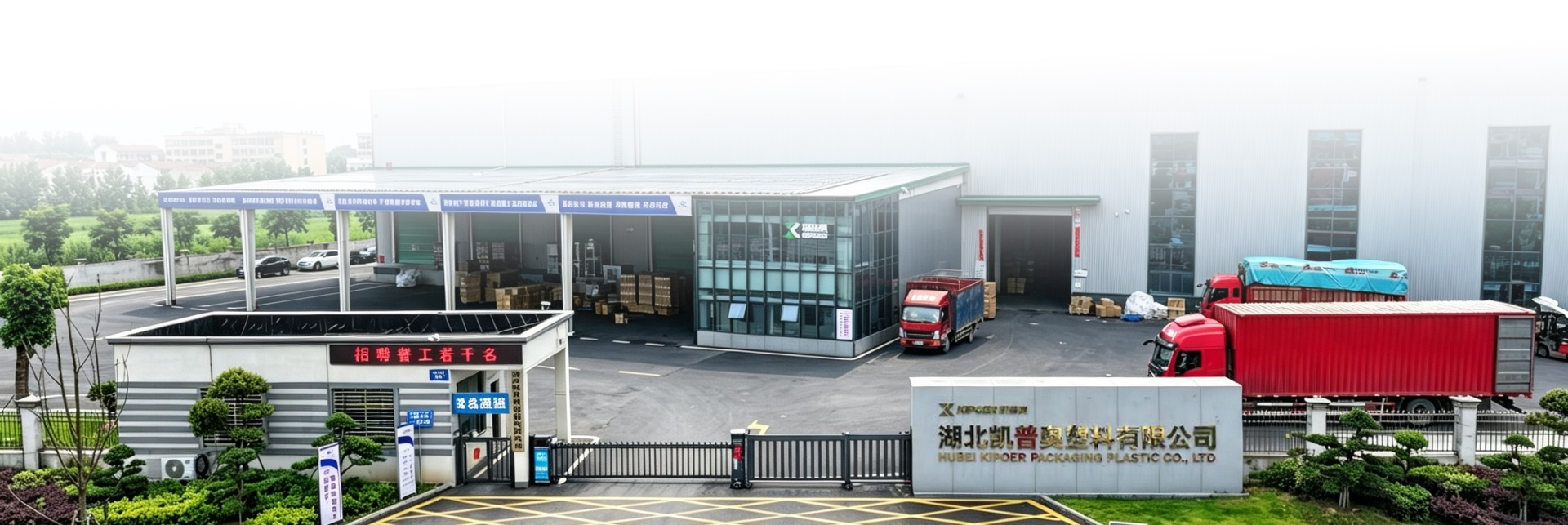
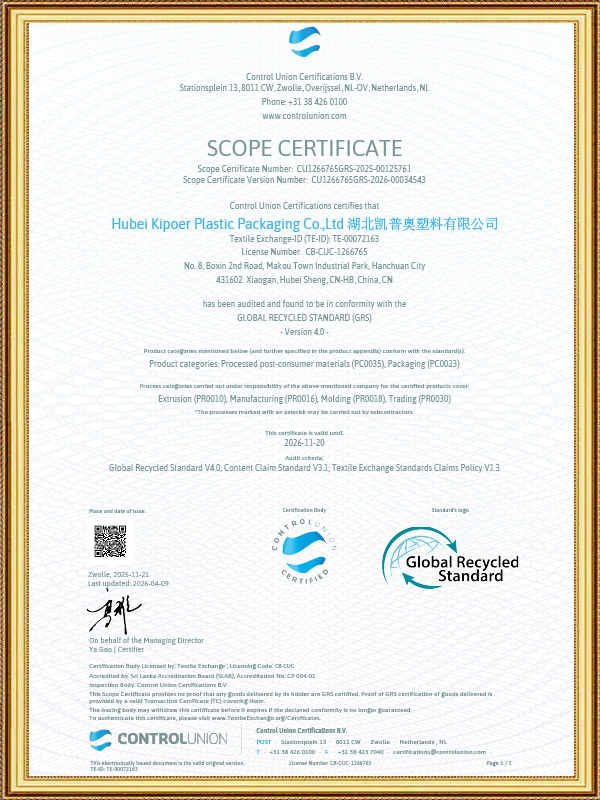
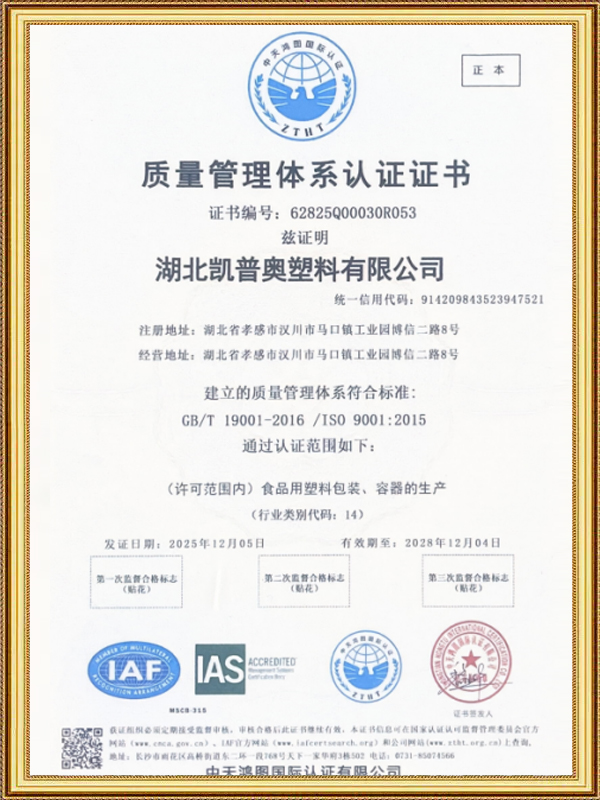
Hubei Kipoer Plastic Packaging Co., Ltd. manufactures food-grade thermoformed produce containers from PET, PETG and PP sheet at our Xiaogan production base in Hubei, China. Founded in August 2015 with a total investment of USD 30 million, we extrude sheet and form finished containers under our own "Fresh Fruit Delight" brand, supplying clamshells, lidded containers, trays, heat-seal packs and cup-and-lid systems to fresh produce packers, supermarket chains, bakery lines and prepared-food operations.
Our catalogue is organised under Plastic Produce Container Manufacturers, with each family below matched to a specific packing line, retail format and cold-chain route. Because sheet extrusion, mold making and vacuum forming sit inside the same factory, we control wall thickness, light transmittance and hinge performance from the raw material stage rather than assembling from bought-in parts.
Our Produce Container Range
Six product families cover the majority of fresh produce, chilled deli and beverage packing requirements. Standard stock tools exist in each family for trial orders, and we develop dedicated molds where a line needs a specific footprint, depth or closure.
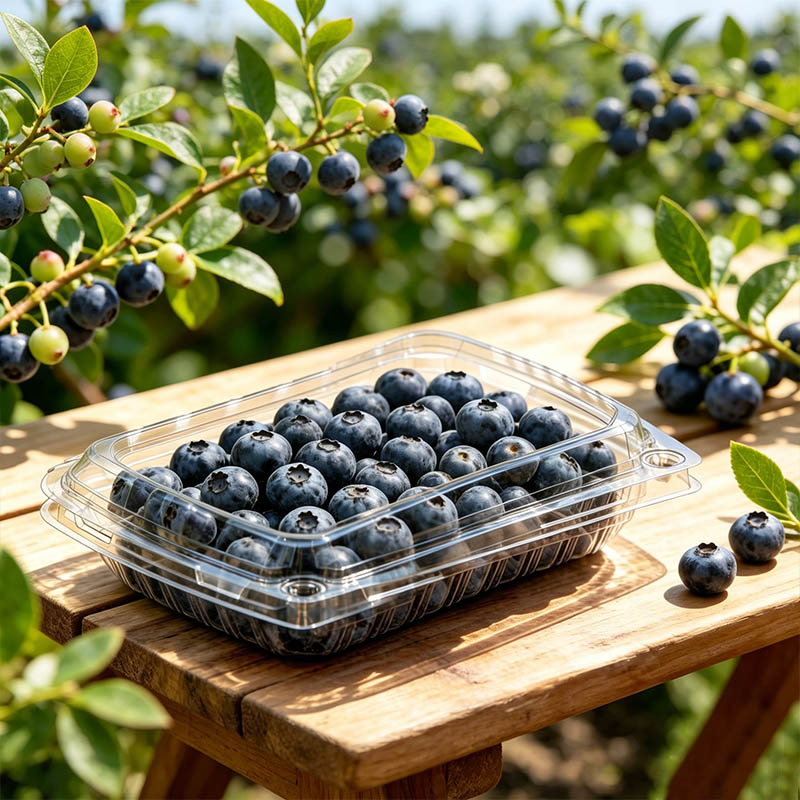
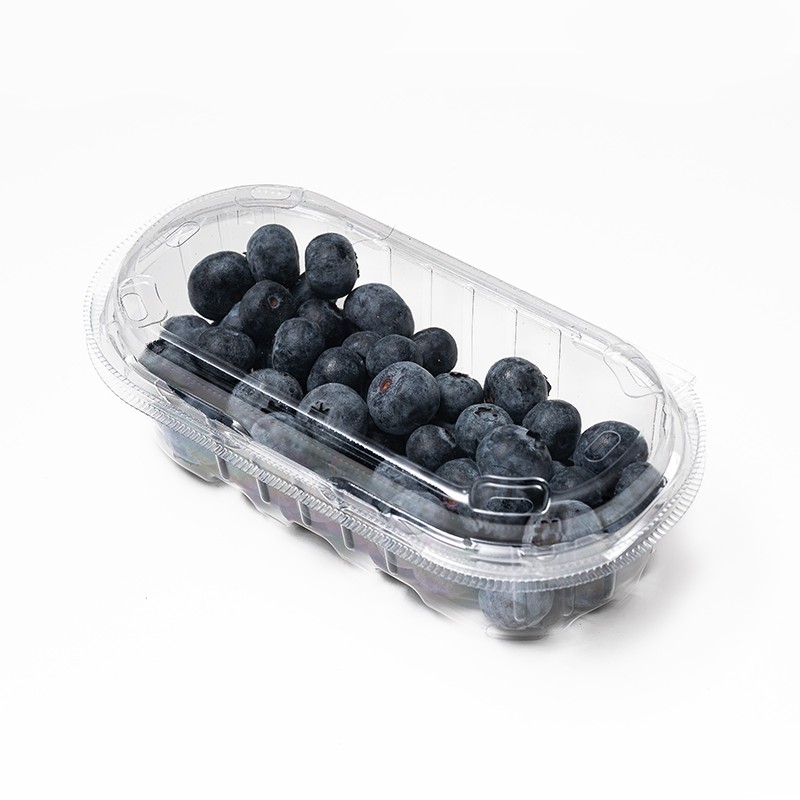
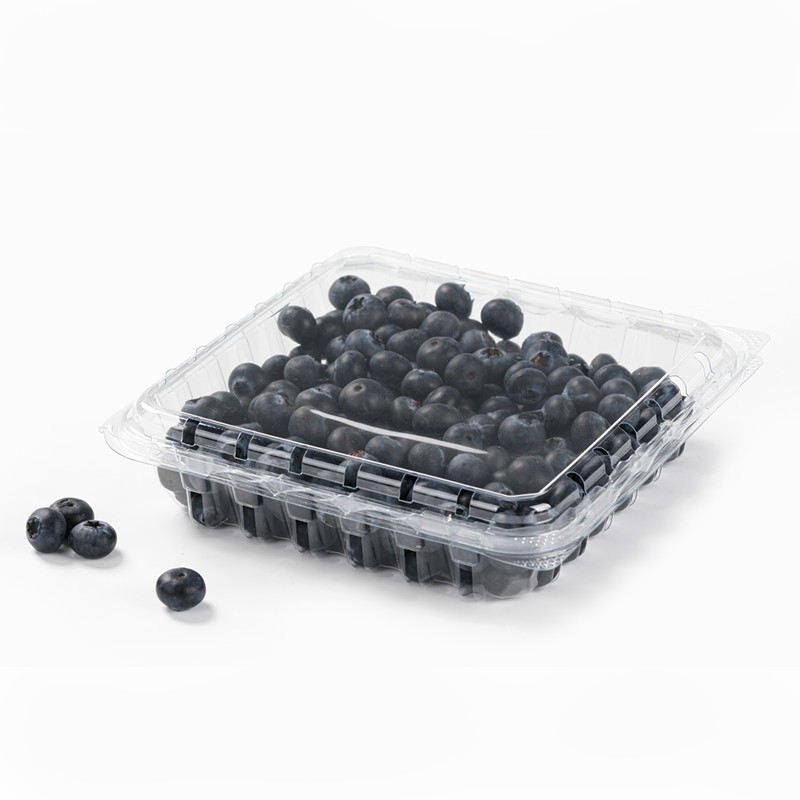
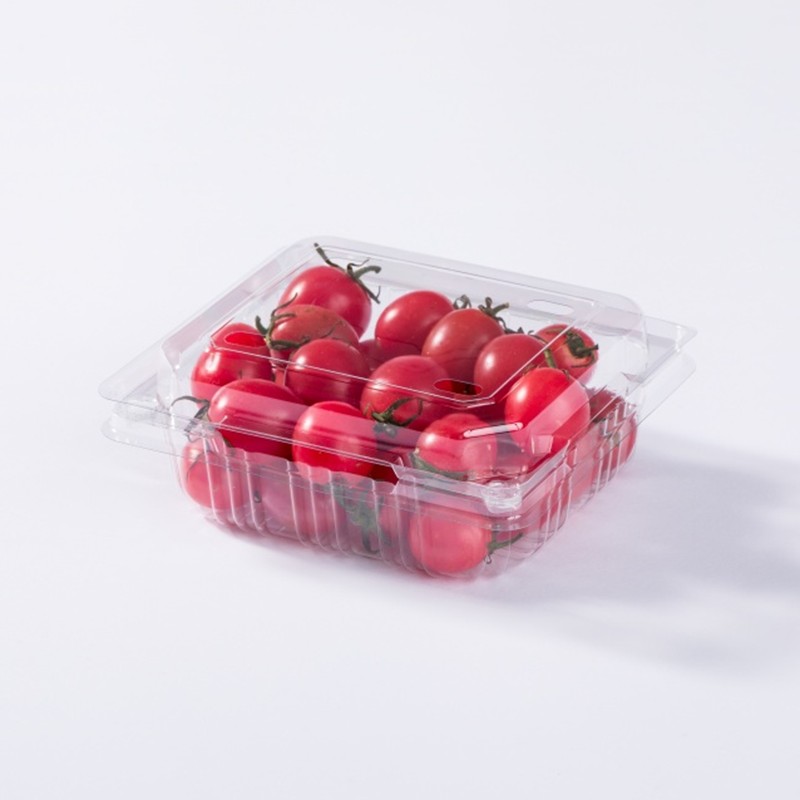
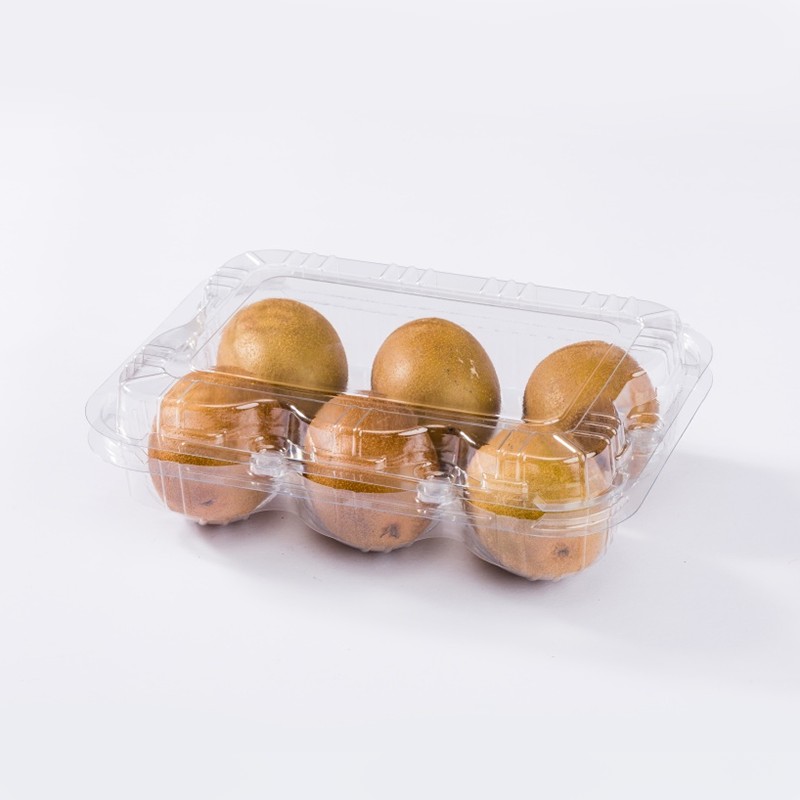
Clear PET Fruit Clamshell Container
One-piece hinged lid and base with no separate closure. High-clarity PET above 90% light transmittance, ventilation hole patterns on top and bottom, and nail-lock, sealed or tamper-evident closure variants for berries, cherry tomatoes, grapes and cherries.
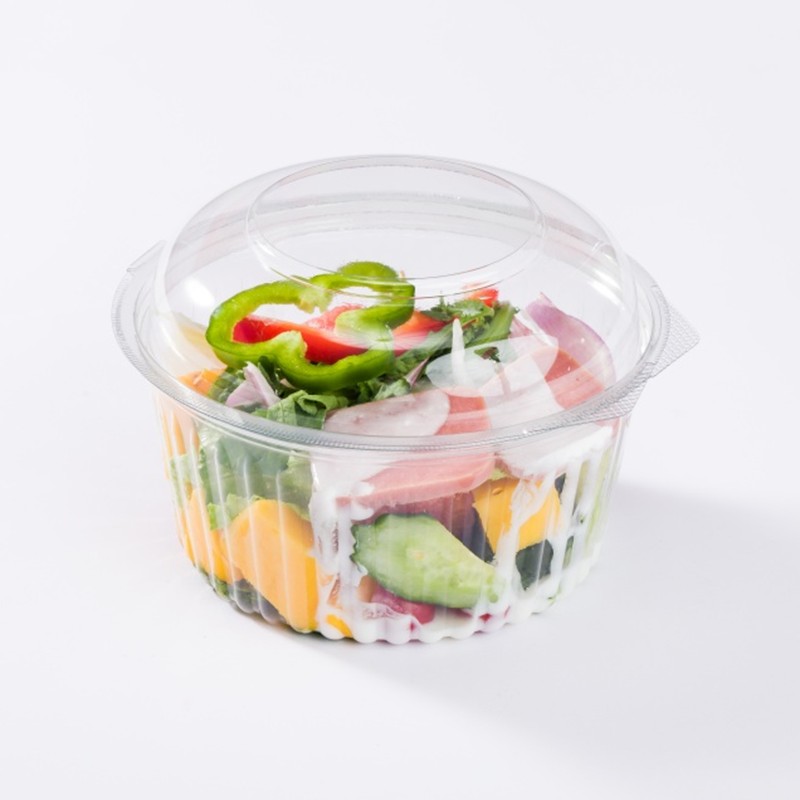
PET Fruit Container with Lid
Two-piece square and round containers with a separate lid, suited to cut fruit, snack packs and retail displays where the lid is opened and reclosed repeatedly by the consumer.
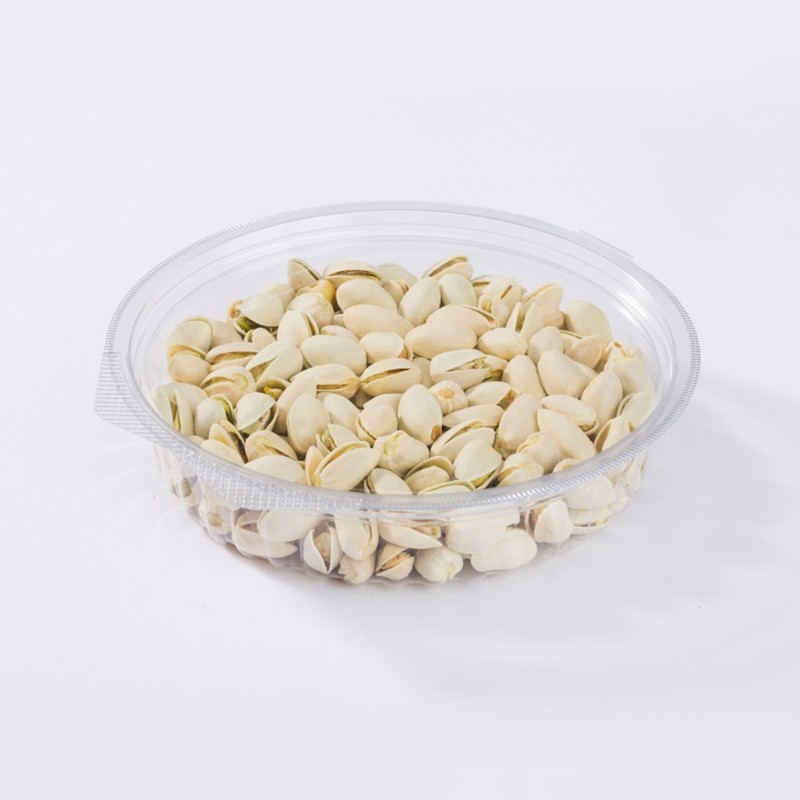
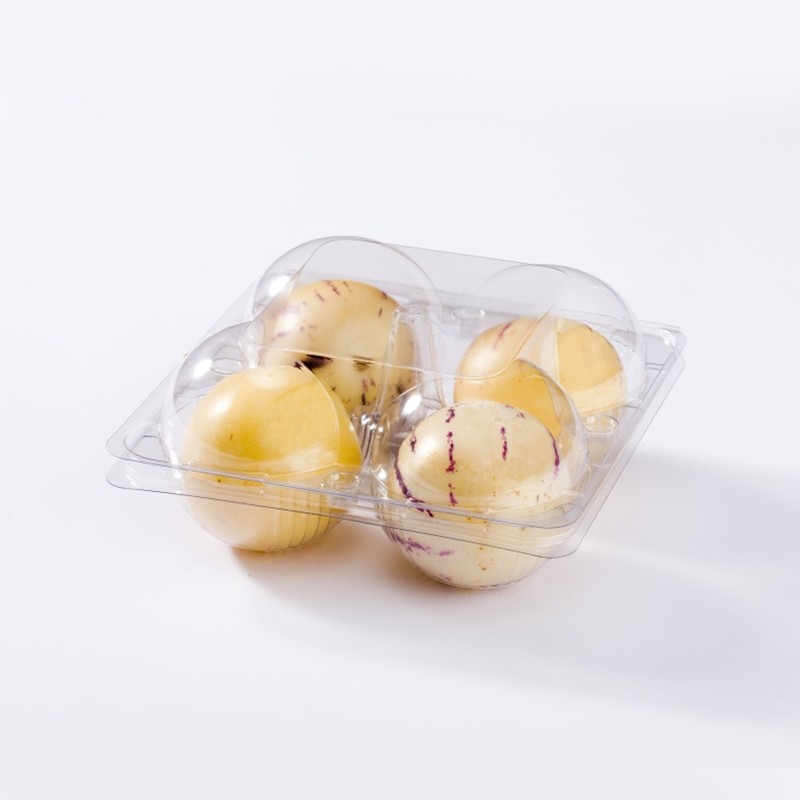
PET Plastic Food Tray
Deep, shallow, irregular and coloured trays used as primary packs or as inner trays and liners inside cartons, gift boxes and supermarket punnets.
PETG Heat Seal Food Container
Flanged PETG bases designed for lidding film sealing on automatic tray sealers, used for ready-to-eat produce, pre-cut fruit and sealed chilled meals.
PP Food Container With Clear Lid
Polypropylene bases with clear lids for deli counters and frozen meat, where higher temperature tolerance and a secure snap fit matter more than maximum clarity.
Disposable Plastic Cups & Lids & Accessories
PET cups, PET cup lids, PET bowl lids and PP cup lids for tea drinks, dessert cups and beverage accessories that accompany produce and bakery programmes.
Range, Material and Application Matching
| Product family | Material | Typical application | Closure / format |
|---|---|---|---|
| Clear PET fruit clamshell | Food-grade PET | Blueberries, strawberries, cherry tomatoes, grapes, cherries | One-piece hinge, nail lock, sealed or tamper-evident |
| PET fruit container with lid | Food-grade PET | Cut fruit, snack packs, retail display | Separate lid, square or round |
| PET plastic food tray | Food-grade PET | Inner trays, liners, gift and bakery presentation | Open tray, deep, shallow, irregular, coloured |
| PETG heat seal container | PETG | Sealed ready-to-eat produce and chilled meals | Lidding film heat seal on flanged base |
| PP container with clear lid | PP base, clear lid | Deli counters, frozen meat, prepared foods | Snap-fit clear lid |
| Cups, lids and accessories | PET and PP | Tea drinks, desserts, beverage accessories | Cup with matching flat or dome lid |
Material Behaviour on the Packing Line
Material choice follows the temperature profile and the sealing method, not the appearance alone. PET gives the highest clarity and rigidity for chilled retail and cold-chain transport; PETG adds heat-seal compatibility for lidding film; PP carries the higher temperature tolerance needed for deli and frozen meat formats.
- PET — high light transmittance, good pressure and impact resistance, suited to single-layer fruit presentation and ventilation-hole designs that reduce moisture build-up.
- PETG — flanged bases for automatic tray sealers, giving a consistent seal band across the flange width.
- PP — higher temperature tolerance and a secure snap fit for deli trays and frozen meat trays with clear lids.
- Sheet options — food-compliant PET, PP, PS and biodegradable sheets are processed on our own extrusion and forming lines.
Critical Specifications We Confirm Before Tooling
Every new container is defined by a working point rather than a single dimension. We confirm the following before releasing a mold drawing, because each one changes the forming cycle, the stacking behaviour or the seal integrity.
- Cavity length, width and corner radius, plus base and lid depth
- Wall thickness and gram weight per piece, and the resulting pack rigidity
- Flange width and flatness where lidding film is applied
- Hinge type, lock geometry and tamper-evident tab position
- Ventilation hole diameter, count and layout on top and bottom faces
- Nesting or stacking height for case packing and pallet configuration
- Target fill weight, product count per pack and retail shelf format
- Temperature range across packing, transport and display
Tooling, Customization and Configuration Options
Customization is core to how we work. Our R&D and mold teams build tools directly from physical samples, product drawings or stated size requirements, and we hold more than ten packaging structure engineers alongside the mold-making and quality teams. Standard stock tools remain available for trial quantities and fast replenishment.
Process adjustments we support
Appearance and surface finish, sheet thickness, colour matching, anti-fog treatment for chilled display, anti-static treatment for automated de-nesting, laminating, logo embossing and dedicated label areas.
Capacity, Cleanroom Control and Quality Assurance
Sixteen fully automatic high-speed vacuum forming lines run alongside independent mold processing equipment in a 50,000 m² workshop, with a Class 100,000 food dust-free cleanroom covering forming and packing. Monthly forming output reaches 2,000 tons, which allows small-batch trial orders and large long-term programmes to run on the same quality system, with surplus capacity reserved for peak-season scheduling.
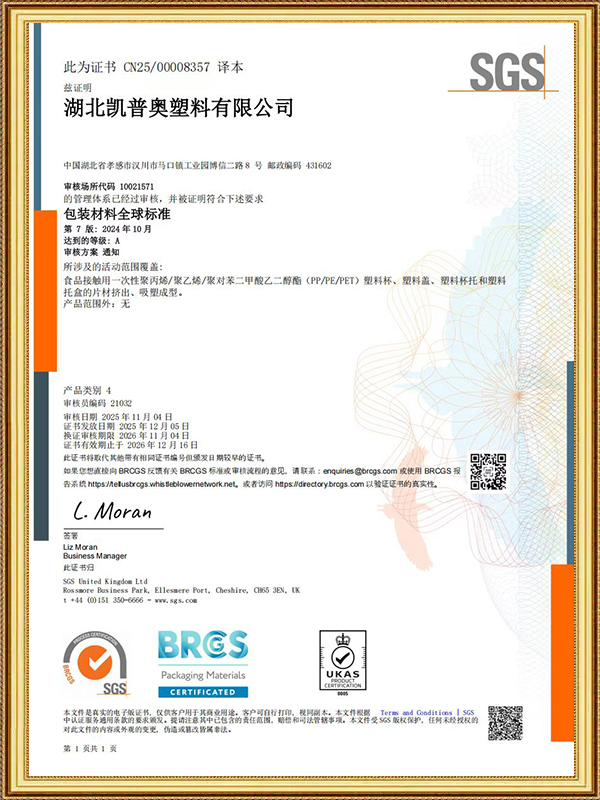
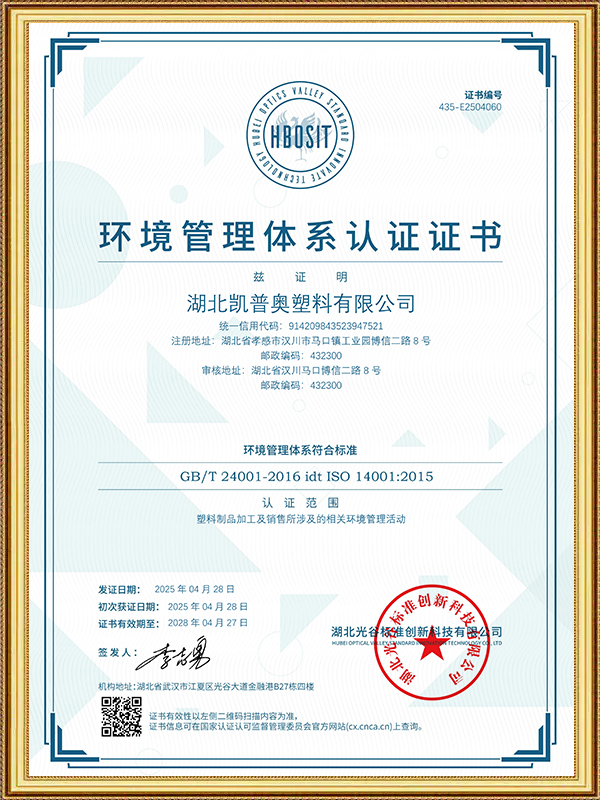
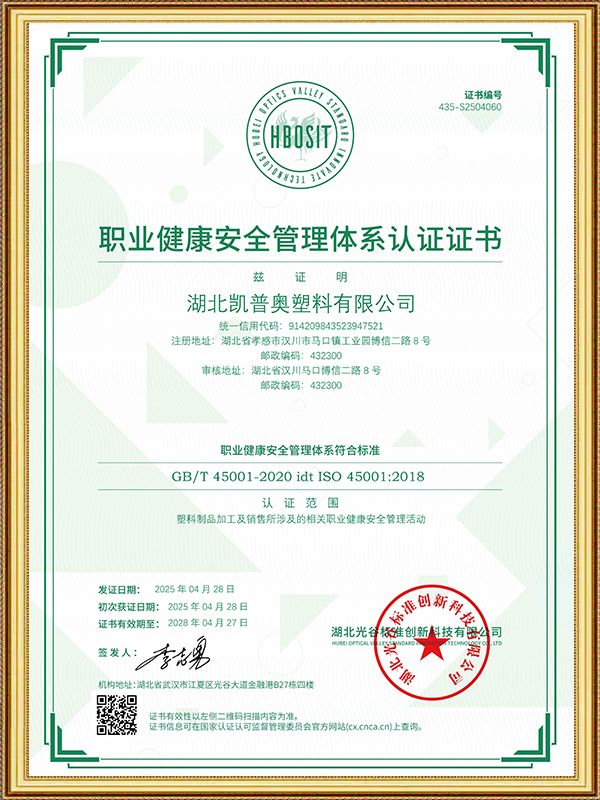
Quality control runs from incoming material to finished carton. Raw materials are checked for food-contact compliance before entering the warehouse, each process step is inspected online, and finished products are 100% sampled for dimensions, sealing, temperature resistance and odour. Our testing laboratory is equipped with temperature resistance chambers, sealing testers, thickness testers and food material safety testing equipment, and third-party food contact testing reports are issued for the relevant programmes.
Information We Use to Configure Your Solution
A quotation that fits the line comes from production data, not from a size list alone. When you send an enquiry, the following inputs let us select an existing tool or quote a new one accurately.
Product and pack data
Produce or food type, fill weight, piece count per pack, single-layer or bulk presentation, and the retail or foodservice format.
Dimensions and drawings
Existing sample, 2D drawing or target external dimensions, plus any case count, pallet pattern or shelf tray constraint.
Line and sealing method
Manual or automated filling, de-nesting equipment, tray sealer or lidding film specification, and the flange width the sealer accepts.
Material and compliance
Preferred polymer, clarity or colour requirement, temperature range, and the food-contact documentation your market requires.
Volume and scheduling
Trial quantity, annual volume, order frequency and the peak weeks that must be covered.
Branding and packing
Logo embossing, label area, colour matching, and carton or pallet packing preferences for delivery.
Packing, Delivery and Ongoing Supply
Finished containers are bagged and cartoned to the agreed case count, with pallet configuration matched to the container footprint and nesting height so that transport volume is used efficiently. Standard stock items can be shipped in small batches, while custom molds move into scheduled production once the sample is approved. Our export team handles documentation and customs clearance as part of the supply scope, and we support programmes across more than 30 countries.
Frequently Asked Questions
What plastic fruit clamshells formats does Kipoer manufacture?
We produce one-piece PET clamshells, two-piece PET containers with separate lids, PET food trays in deep, shallow, irregular and coloured versions, PETG heat-seal containers, PP containers with clear lids, and PET and PP cups with matching lids. The range covers fruit and vegetables, bakery, fresh meat, dried fruit snacks and tea drinks.
Can you develop a custom mold from our sample or drawing?
Yes. We build molds from physical samples, product drawings or stated size requirements, and our in-house mold processing workshop keeps tool development and forming under one roof. Appearance, thickness, colour matching, anti-fog, anti-static and laminating adjustments are handled as part of the same project.
Which material suits chilled produce compared with frozen or deli formats?
Chilled retail fruit is normally packed in PET for clarity and rigidity, with ventilation holes to limit moisture build-up. Where lidding film is sealed on an automatic tray sealer, PETG flanged bases give a consistent seal band. Deli and frozen meat formats generally use PP bases with clear lids, because PP tolerates higher temperatures and holds a secure snap fit.
How is food-contact safety and dimensional consistency controlled?
Raw materials are verified for food-contact compliance before warehousing, forming and packing run inside a Class 100,000 dust-free cleanroom, and each process step is inspected online. Finished products are 100% sampled for dimensions, sealing, temperature resistance and odour in our laboratory, and third-party food contact testing reports are issued for the relevant programmes.
What production capacity is available for peak-season volumes?
Sixteen automatic high-speed vacuum forming lines and a monthly forming output of 2,000 tons let us run small trial orders and large long-term orders on the same lines. Capacity is planned with surplus for peak-season scheduling, so seasonal fruit programmes can be covered without changing tooling or material specification.
What do you need from us to prepare a quotation?
Send the product or food type, fill weight and piece count, a sample or drawing with target dimensions, the filling and sealing method, preferred polymer and temperature range, trial and annual volumes, and any branding or carton requirements. With those inputs we confirm whether a stock tool fits or quote a dedicated mold, and a business specialist responds within 12 hours on working days.