


 English

 Español
 中文简体

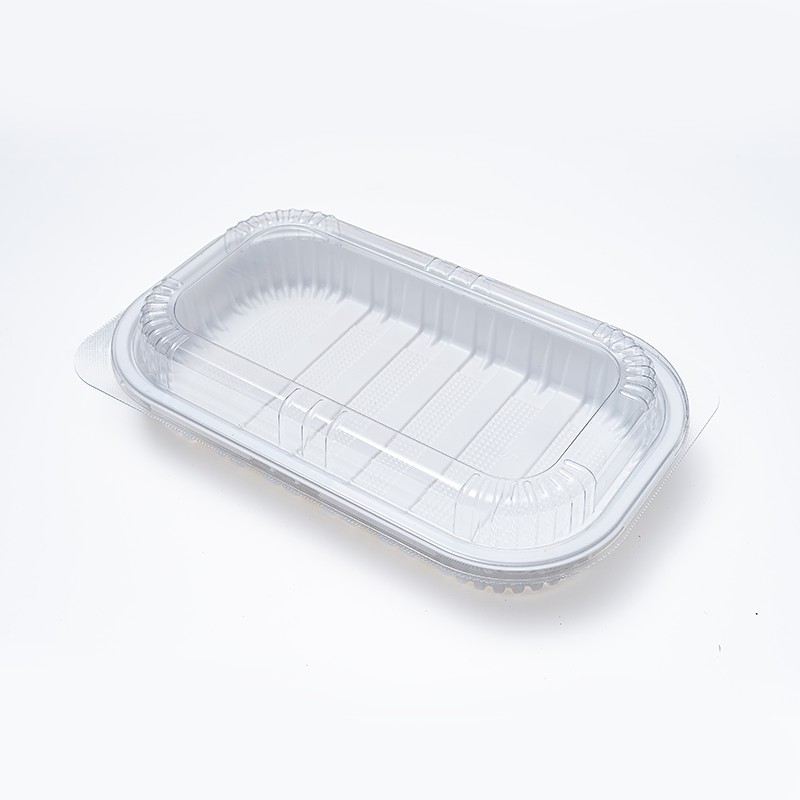
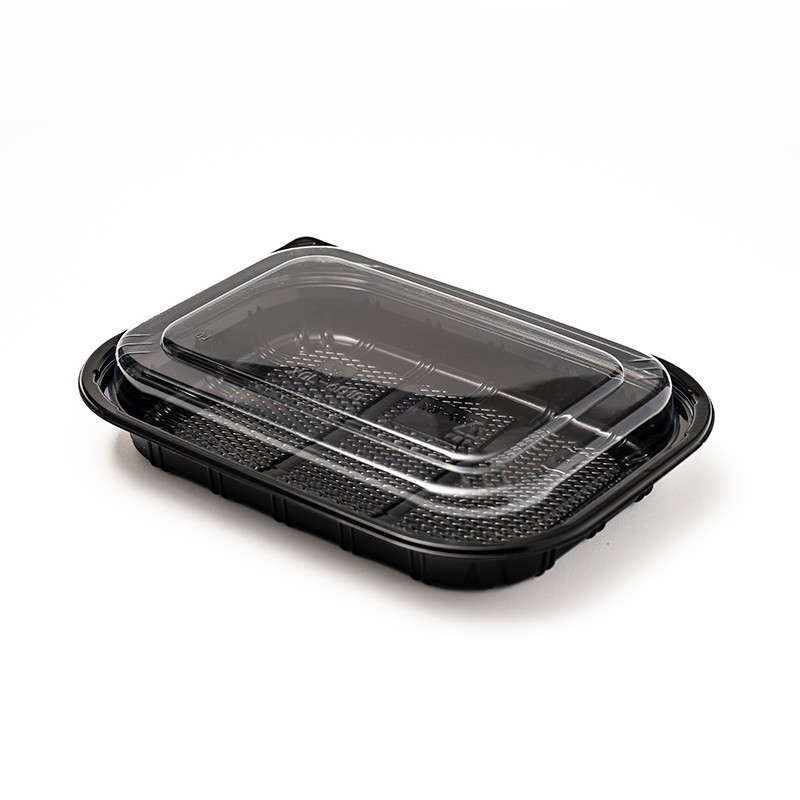
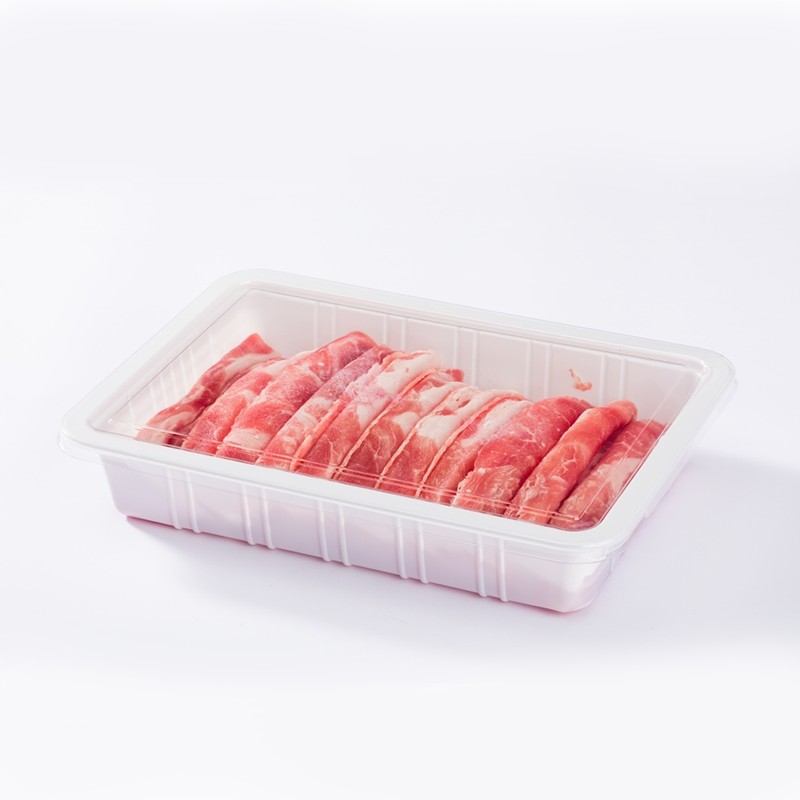
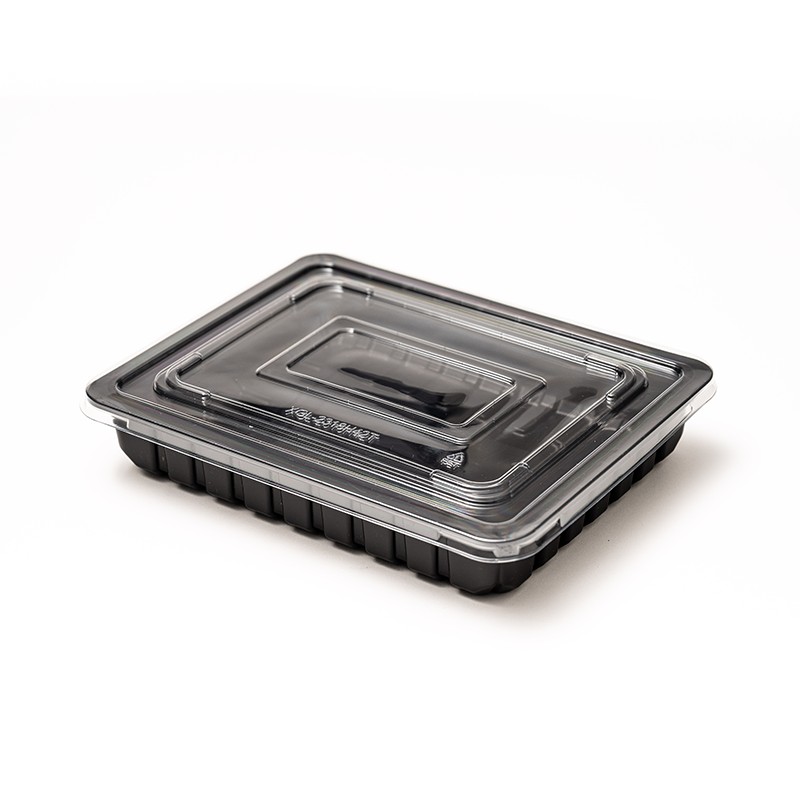

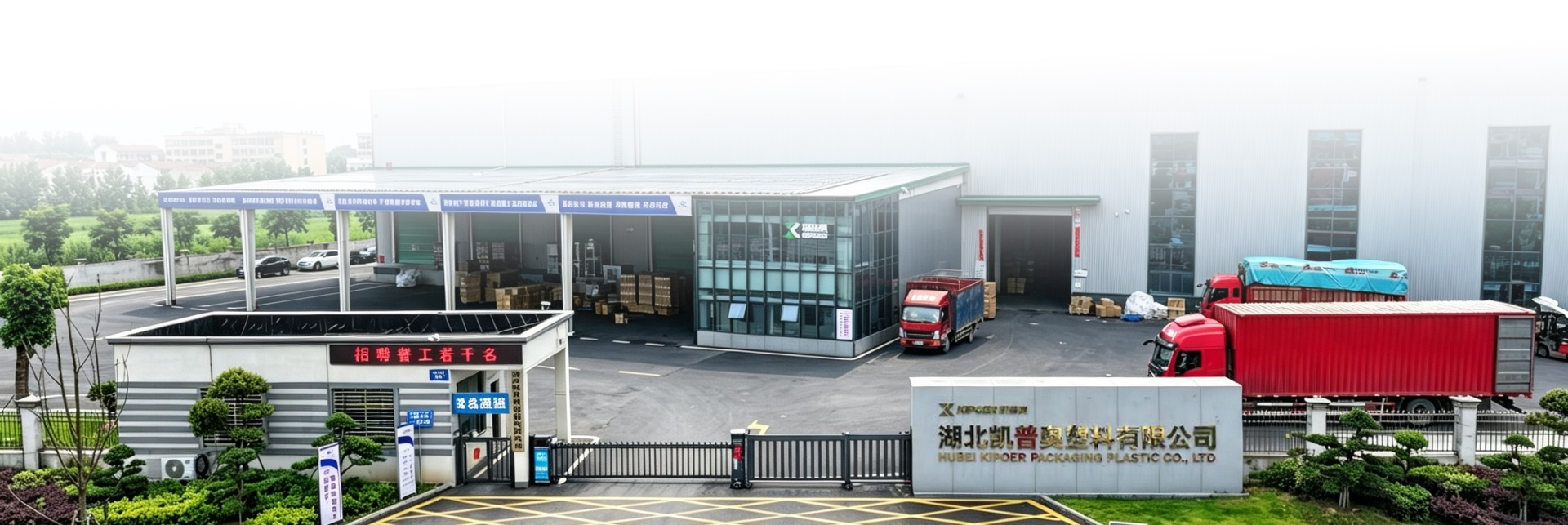

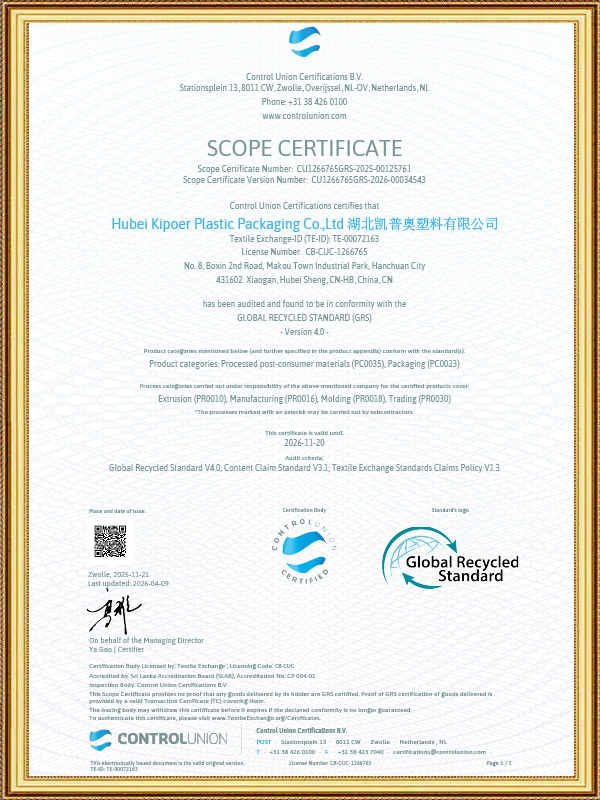
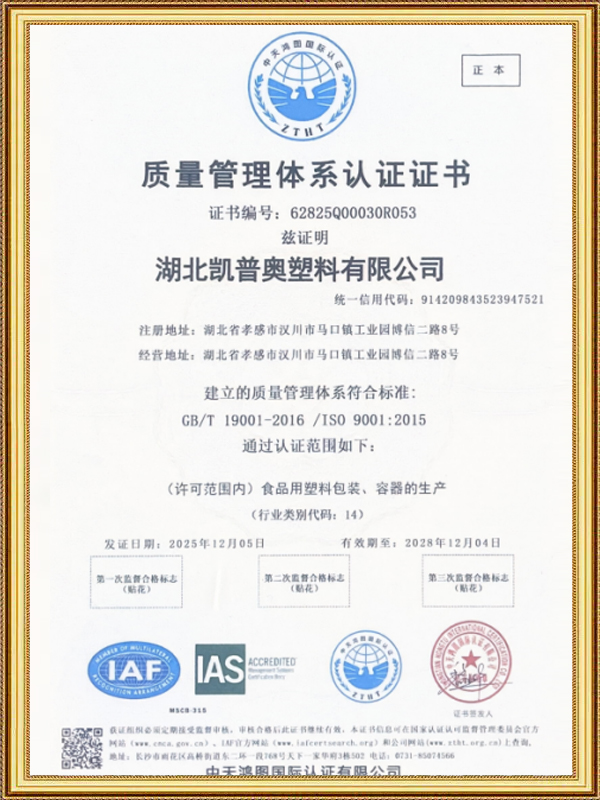
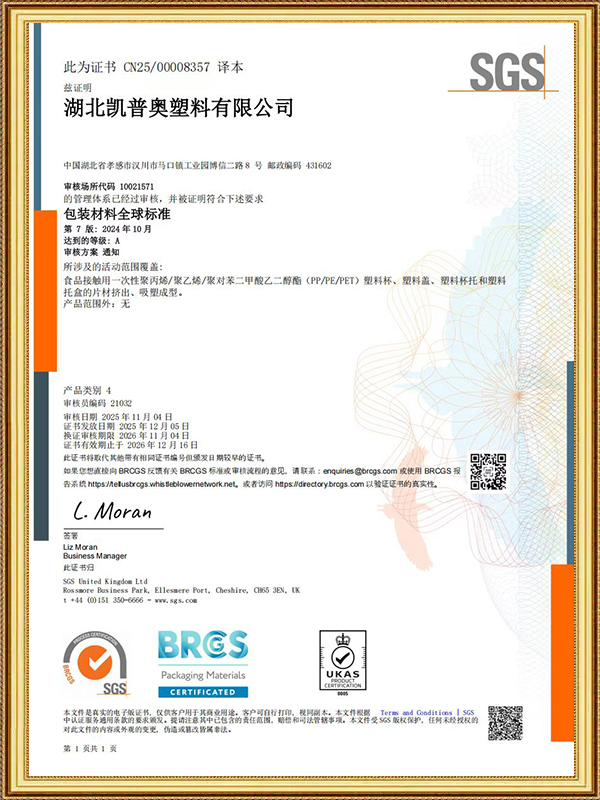
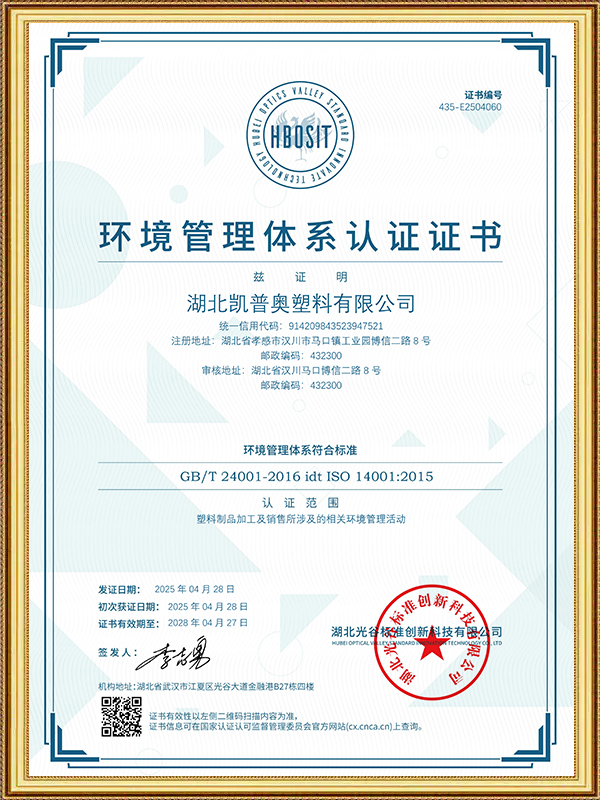
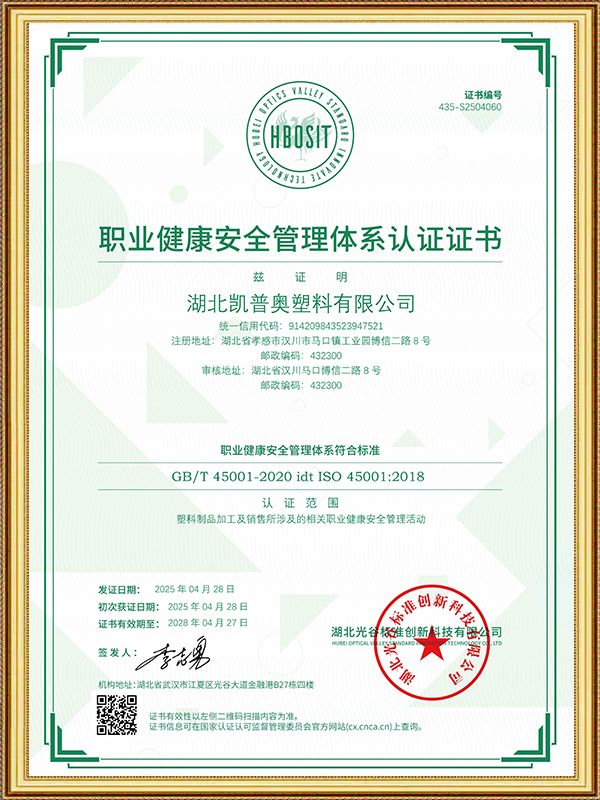
Hubei Kipoer Plastic Packaging Co., Ltd. manufactures food-grade Disposable PP Food Containers with Lids at our production base in Xiaogan, Hubei Province. Since August 2015 we have specialised in the deep processing and moulding of PET and PP materials, and this family — a rigid polypropylene base closed with a transparent lid — is the part of our range built for cooked, braised, chilled and frozen food sold through supermarket counters, hot pot chains, restaurant takeaway and cold-chain delivery.
Operating as Disposable PP Plastic Food Container Manufacturers in China, we supply both stock universal trays and fully tooled custom containers. The base carries the load and the temperature duty; the clear lid carries the merchandising duty. That division of labour is what makes the format work across a temperature chain that runs from frozen storage through refrigerated display to short-term hot holding.
What we supply in this category: PP base / clear lid containers in black and off-white, anti-fog and cold-resistant variants, reinforced anti-slip stackable formats, and moulded-to-order sizes developed from customer samples, drawings or dimensional requirements.
Our Range in This Product Family
Two child ranges sit under this category, each tuned to a different food condition and a different retail environment.
Plastic Deli Tray With Clear Lid
A food-grade PP base with a transparent lid, offered in black for braised dishes, roast chicken, braised beef, pig's trotters and char siu, and in off-white for lighter items such as poached chicken and steamed fish. The black base lifts the colour of cooked food; the off-white base keeps pale proteins looking clean. Grease resistance and lid fit are the governing requirements here, because cooked food releases oil and the pack must stay presentable on a deli counter.
Plastic Frozen Meat Tray With Clear Lid
Built around the geometry of rolled and sliced frozen meat — lamb rolls, beef rolls, sliced beef — with cavity dimensions optimised so the roll sits stably and does not deform or break up under freezing and transport vibration. The cold-resistant PP base holds strength at -20°C without becoming brittle, and the clear lid lets the shopper read thickness, texture and colour before purchase. Reinforced anti-slip stackable versions are available for freezer-counter and pallet stacking.
Where a project needs a sealed rather than a lidded format, our PETG Heat Seal Food Container range covers ready-to-eat and sealed thermoformed packs produced on the same forming platform.
Material Performance and Application Fit
The PP base tolerates freezing from -20°C up to short-term exposure at 100°C, which is what allows one container format to move through frozen storage, refrigerated preservation and room-temperature sale without a change of pack. The lid is a highly transparent material that keeps contents visible and reduces the trust problem created by opaque packaging.
- Grease and moisture: PP is chosen for cooked and braised products with high fat content, where the base must resist oil migration and the lid-to-base fit must contain leakage.
- Cold chain: cold-resistant grades retain impact strength at freezer temperatures, protecting the pack through blast freezing and distribution.
- Condensation control: anti-fog treatment keeps the lid clear on chilled and warm-filled items where temperature differential would otherwise cloud the surface.
- Stacking: reinforced anti-slip base designs carry counter and pallet loads without lateral movement.
| Format | Construction | Typical Food Applications | Governing Requirement |
|---|---|---|---|
| Deli tray, black base | PP base, clear lid, anti-fog option | Braised dishes, roast chicken, braised beef, char siu | Grease containment, colour presentation |
| Deli tray, off-white base | PP base, clear lid | Poached chicken, steamed fish, lighter cooked foods | Clean appearance, seal tightness |
| Frozen meat roll tray | Cold-resistant PP base, clear PET lid | Lamb rolls, beef rolls, sliced beef | -20°C impact strength, dimensional stability |
| Reinforced stackable container | Cold-resistant PP base, reinforced anti-slip foot | Frozen and chilled prepared foods, freezer counters | Stacking stability under load |
Critical Specifications We Confirm Before Tooling
Disposable Plastic Food Container performance is decided by a small number of dimensions and material choices. We fix these before a mould is cut, because changing rim geometry or base gauge after tooling is expensive for both sides.
- Base material grade, sheet thickness and colour (black, off-white or matched).
- Lid material, clarity target and anti-fog or anti-static treatment.
- Cavity length, width and depth, plus rim geometry and lid engagement force.
- Fill weight, headspace and the resulting usable capacity.
- Stacking load, nesting depth and anti-slip features.
- Temperature window across freezing, chilling, ambient display and short-term hot holding.
- Printable or labelable lid area and brand placement.
- Carton count, pallet pattern and container nesting for transport efficiency.
Configuration Options and Custom Tooling
Customisation is our core business rather than an exception. Our R&D team develops moulds directly from physical samples, product drawings or stated size requirements, and we adjust process parameters for appearance, thickness, colour matching, anti-fog, anti-static and laminating. Alongside tooled projects we hold universal food-standard vacuum-formed stock — fresh food trays, fruit boxes, cake trays, disposable fast-food boxes and general inner trays — so small batches can ship without waiting on a new mould.
Production Capacity and Quality Control
Our 50,000 m² workshop runs 16 fully automatic high-speed vacuum forming lines with in-house mould processing equipment and a Class 100,000 food dust-free cleanroom. Annual food vacuum forming capacity exceeds 30,000 tons, with monthly output around 2,000 tons, which gives us room to absorb peak-season scheduling alongside small trial orders and long-term programmes. More than 400 employees include packaging structure engineers and technical staff dedicated to mould making and quality control.
- Raw materials are checked for food-contact compliance before entering the warehouse.
- Production runs in a dust-free controlled environment with in-line inspection at each process step.
- Finished goods are sampled for dimensions, sealing, temperature resistance and odour.
- Our laboratory is equipped with temperature resistance chambers, seal testers, thickness testers and food material safety testing equipment.
- Third-party food contact testing reports are issued to support market entry requirements.
Packing, Handling and Delivery Scope
Containers are nested and stacked for transport density, with bases and lids packed to suit either manual counter filling or automated lidding equipment. We confirm rim geometry and nesting depth against the customer's filling and closing setup so the pack runs without jamming, and we agree carton counts, pallet patterns and moisture protection before shipment. Documentation covering dimensions, material grade and food-contact test results travels with the order.
Information We Use to Configure Your Solution
A quotation that holds up in production starts from the working point, not from a catalogue number. These are the inputs our engineers work from.
| Project Input | What It Determines |
|---|---|
| Food type, fat and moisture content | Base material grade, grease resistance, lid treatment |
| Fill weight and portion shape | Cavity dimensions, depth, usable capacity |
| Temperature chain (freeze, chill, ambient, hot hold) | Cold-resistant grade, wall thickness, lid material |
| Filling and lidding method | Rim geometry, lid engagement force, nesting depth |
| Display and stacking conditions | Anti-slip features, base reinforcement, pallet pattern |
| Branding, printing and label area | Lid surface, colour matching, decoration method |
| Annual volume and order pattern | Stock item versus new mould, scheduling, carton configuration |
| Destination market and compliance requirement | Test scope, documentation package, packing specification |
Frequently Asked Questions
Can you supply both stock sizes and custom moulded containers?
Yes. We hold universal food-standard vacuum-formed stock that can ship in small batches, and we develop dedicated moulds from customer samples, drawings or size requirements for projects that need a specific cavity, rim or base profile.
What temperature range do the PP containers handle?
The PP base withstands freezing from -20°C and short-term exposure up to 100°C, which covers frozen storage, refrigerated preservation and room-temperature sale. Cold-resistant grades are used for frozen meat trays where impact strength at freezer temperature matters.
Is an anti-fog lid available?
Anti-fog treatment is one of the process adjustments we support, along with anti-static and laminating. It is normally specified for chilled or warm-filled cooked foods where condensation would obscure the contents.
How is product quality verified before shipment?
Incoming raw materials are checked for food-contact compliance, production runs in a Class 100,000 dust-free cleanroom with in-line inspection, and finished goods are sampled for dimensions, sealing, temperature resistance and odour. Third-party food contact testing reports are issued where the destination market requires them.
What production capacity is available for large programmes?
Sixteen fully automatic high-speed vacuum forming lines and in-house mould processing support annual food vacuum forming output above 30,000 tons, with monthly capacity around 2,000 tons. That leaves scheduling headroom for peak-season demand alongside trial orders and long-term supply.
Which information do you need to prepare a quotation?
Send the food type, fill weight, temperature chain, filling and lidding method, stacking conditions, branding requirements, annual volume and destination market. With those inputs we can confirm whether a stock item fits or a new mould is required, and return a configuration and quotation within 12 hours on working days.