


 English

 Español
 中文简体
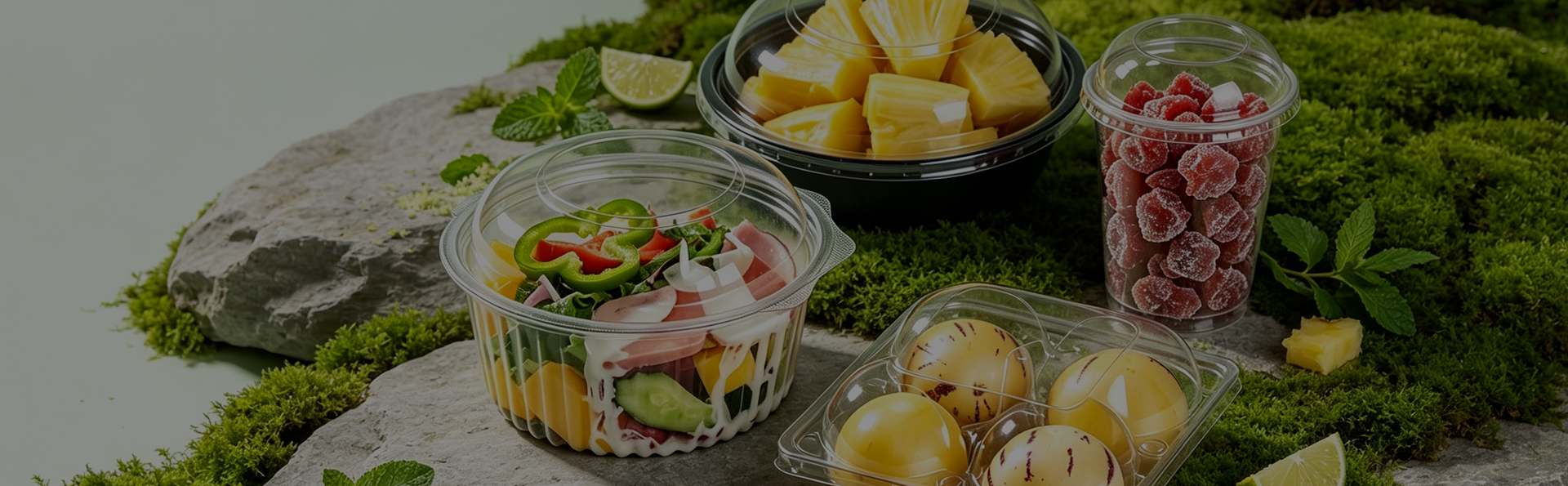
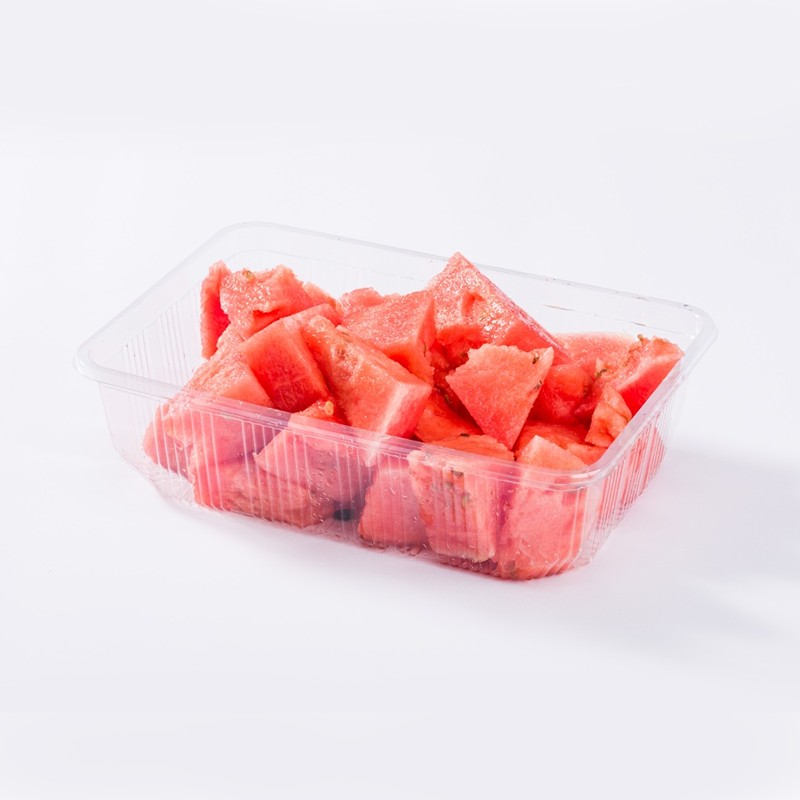
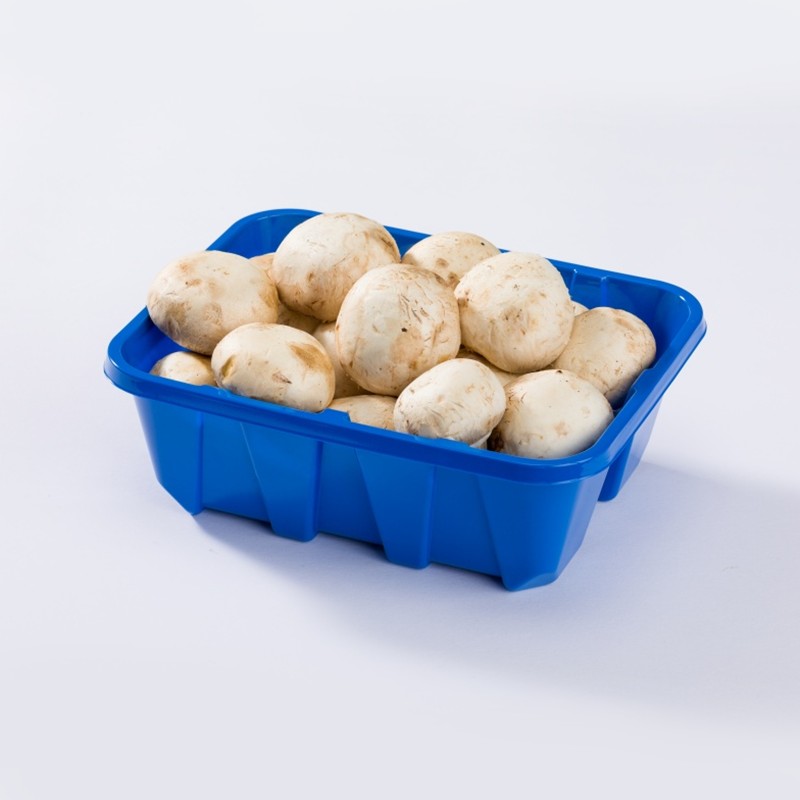
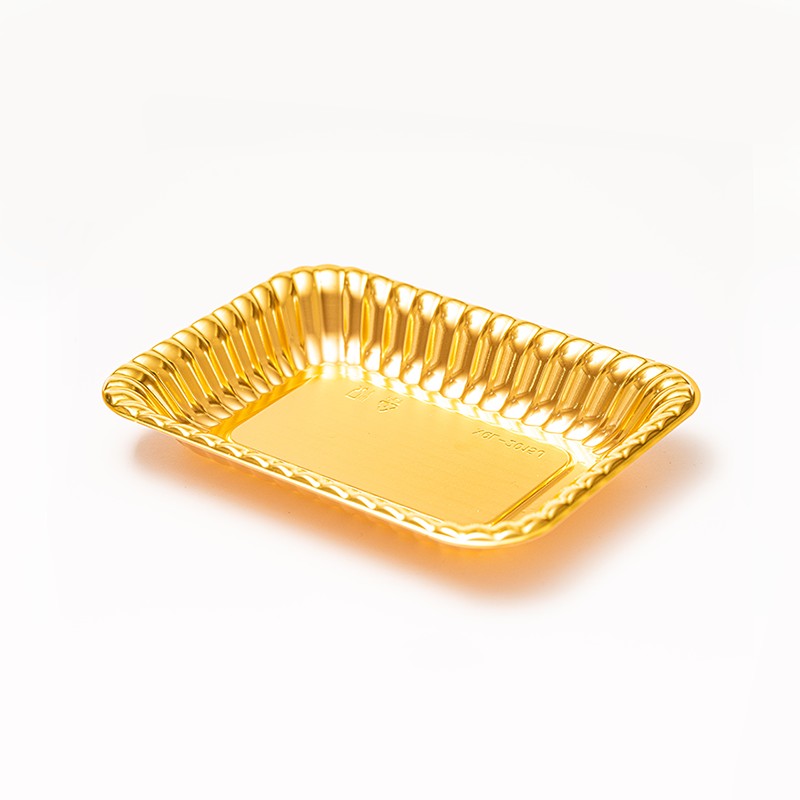
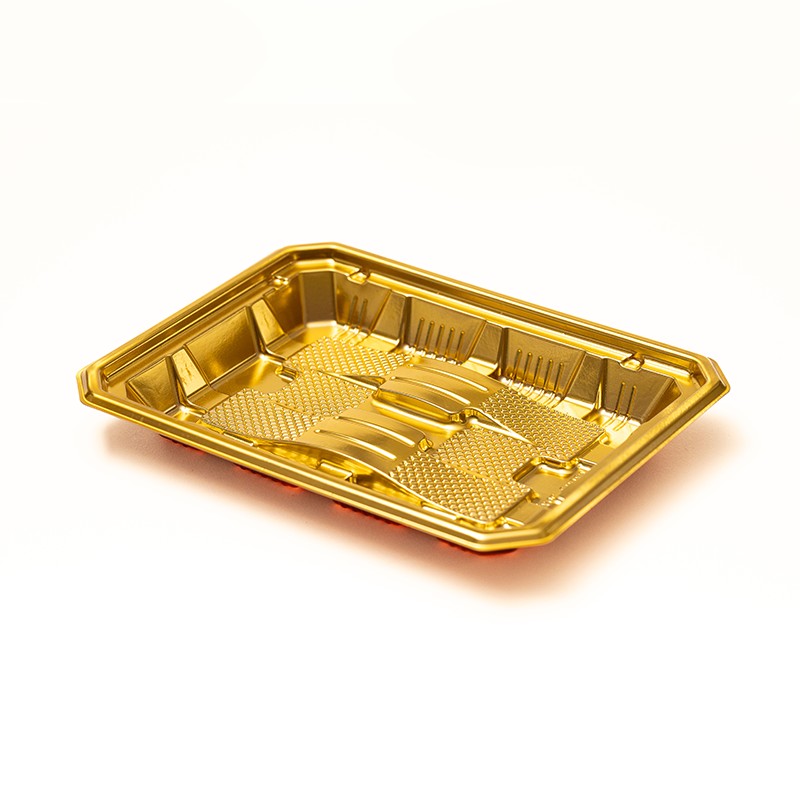
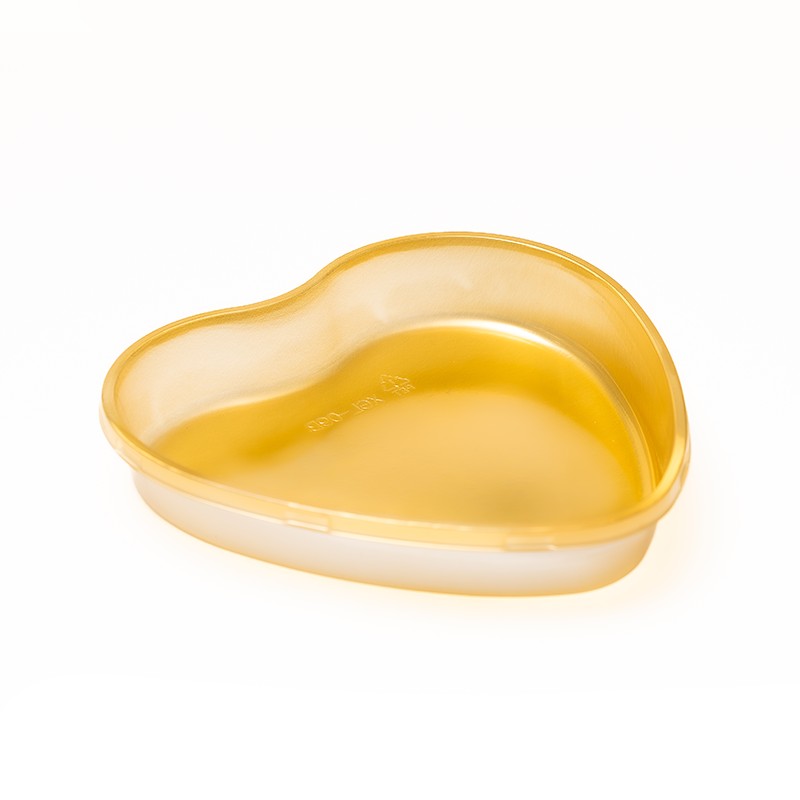
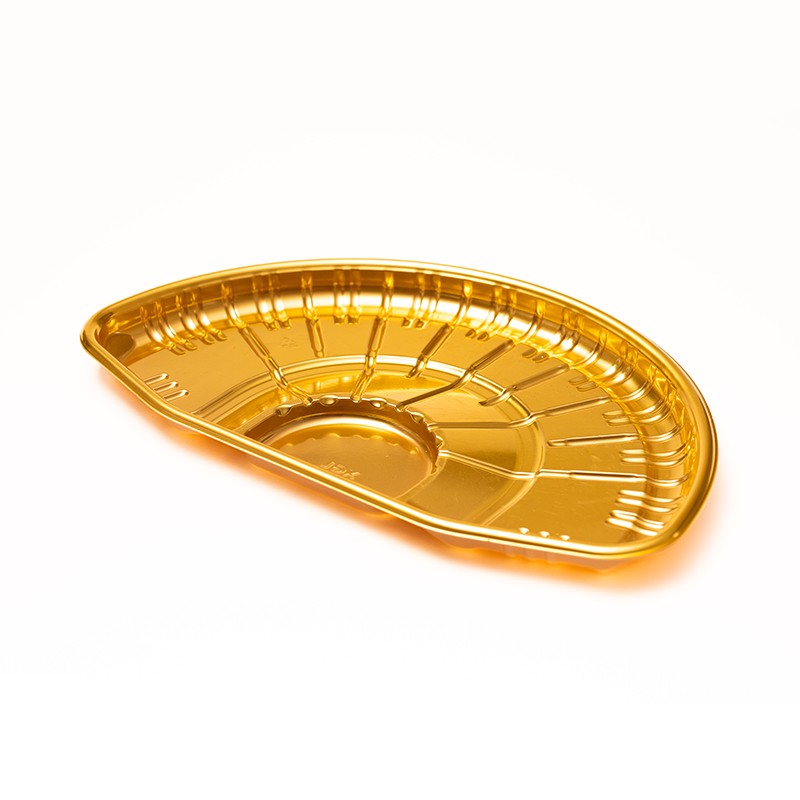
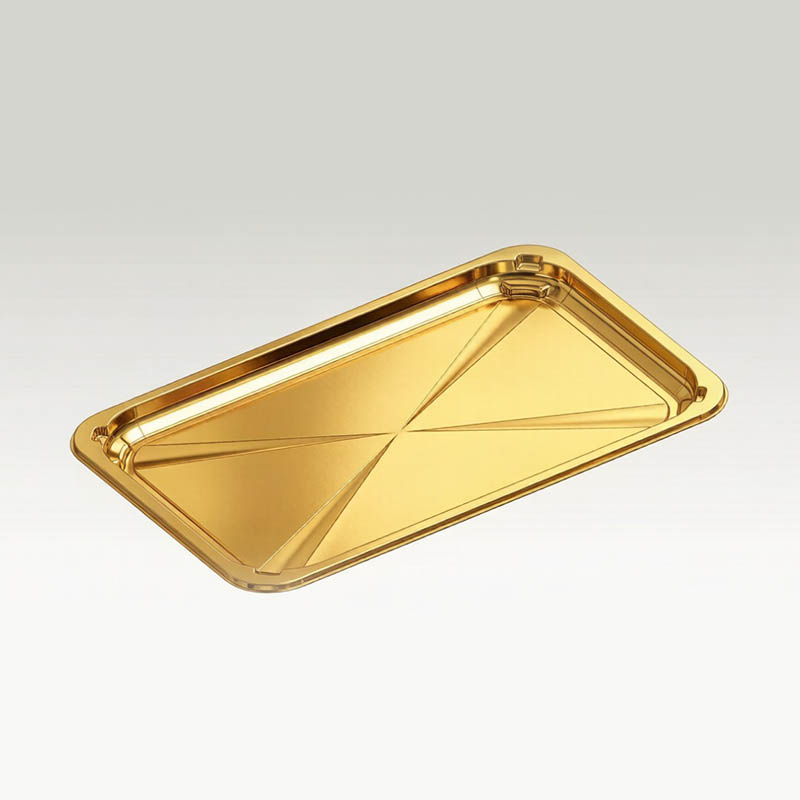

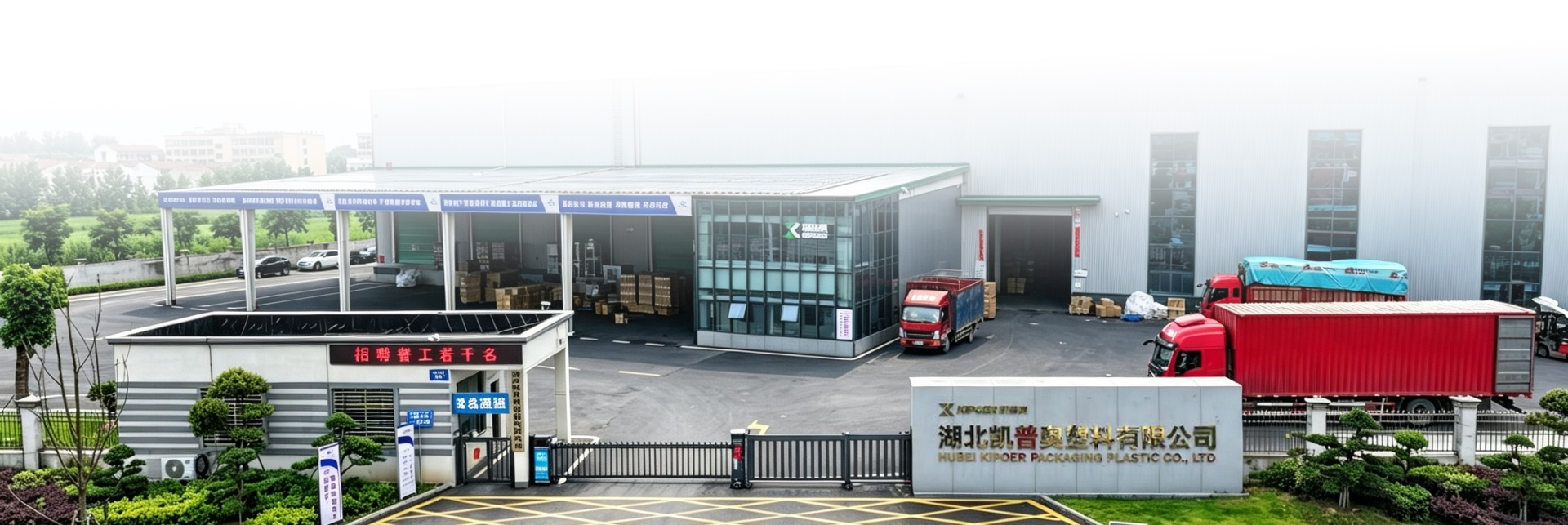

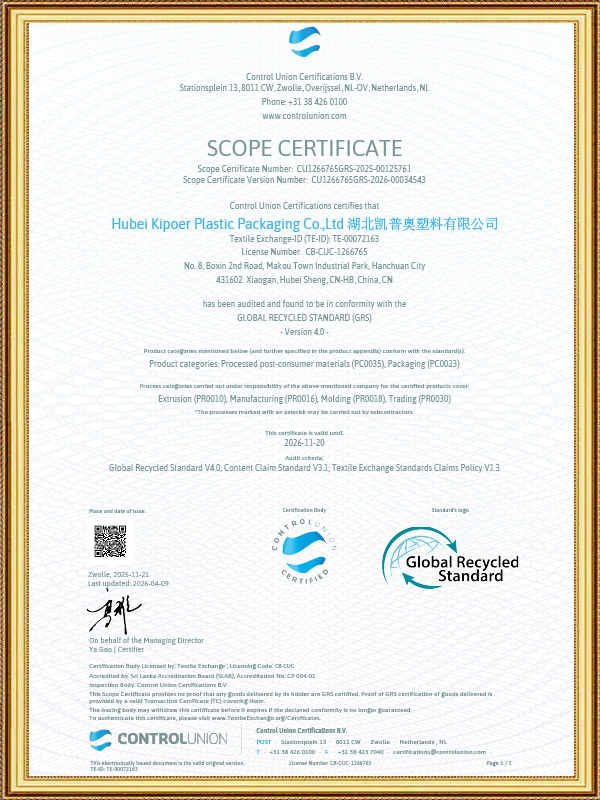
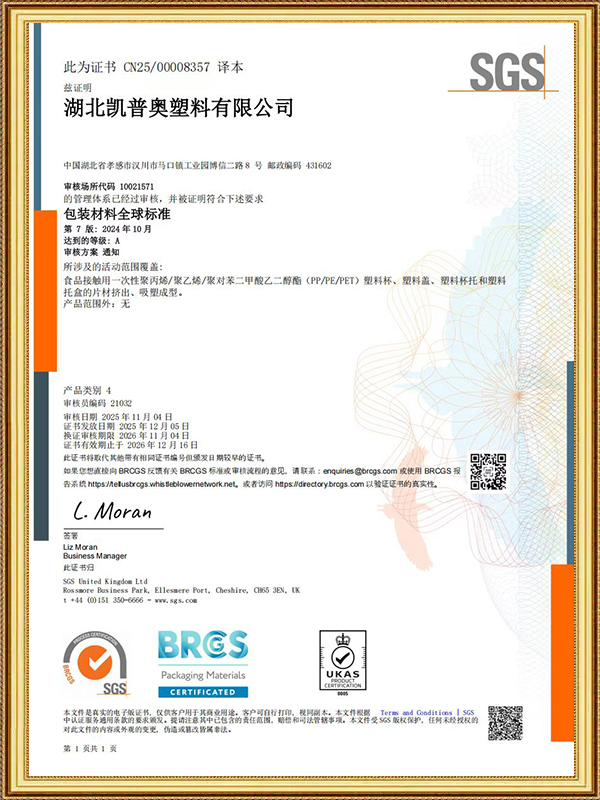
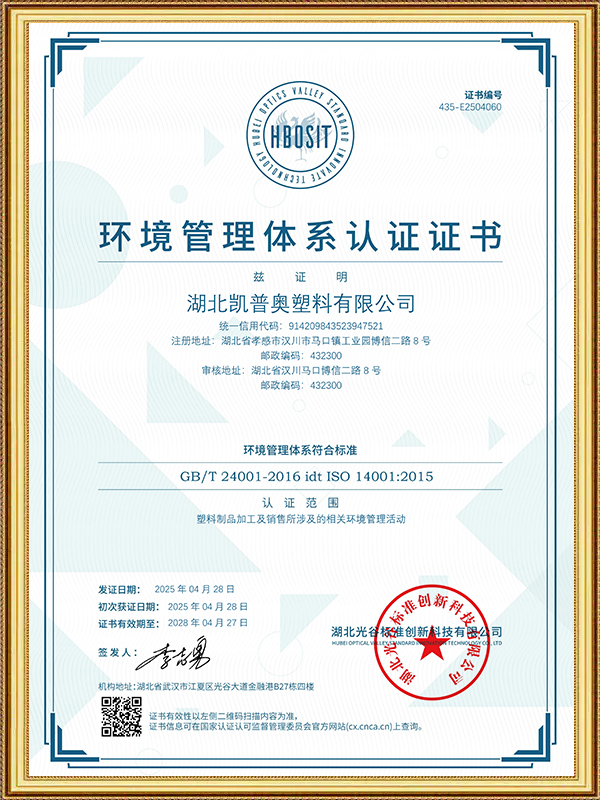
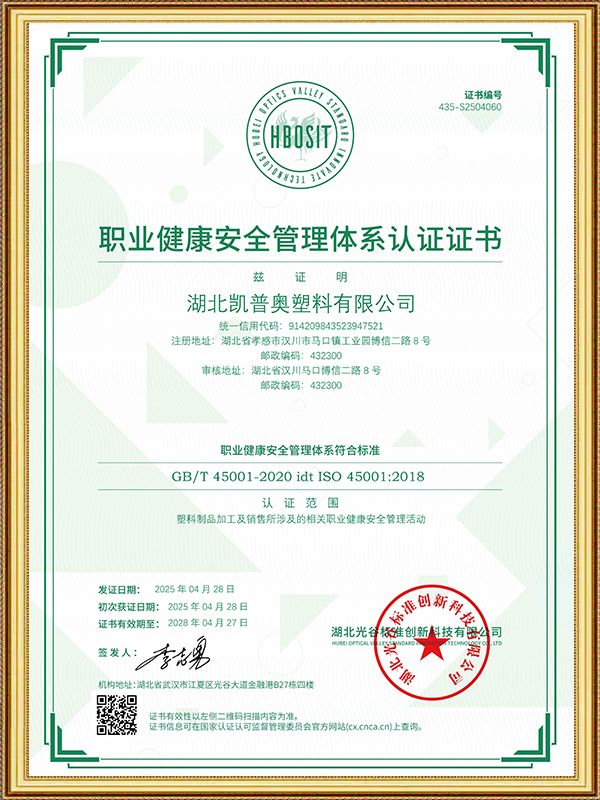
Hubei Kipoer Plastic Packaging Co., Ltd. manufactures food-grade PET and PP packaging at our Xiaogan, Hubei production base, where sheet extrusion, mold making, vacuum forming and inspection run under one roof. As a PET Plastic Food Trays manufacturer, we supply the base format that sits under the product in a cling-film sealed pack — the tray used by supermarkets, fresh-cut processors, cold chain distributors and gift packers.
Kipoer operates as one of China's disposable PET plastic food trays manufacturers, with 16 fully automatic high-speed vacuum forming lines, independent mold processing equipment and a Class 100,000 food dust-free workshop. Annual vacuum forming capacity exceeds 30,000 tons, which lets us run small trial batches and long seasonal programmes on the same tooling.
Our Disposable Plastic Food Trays Range
Four tray series make up the range, and each one answers a different packing problem rather than a different price point. All four are formed from food-grade PET sheet that we extrude ourselves, so gauge, colour and surface finish stay consistent between repeat orders.
| Tray series | Form and rim depth | Typical applications | Configuration focus |
|---|---|---|---|
| Deep Plastic Fruit Tray | High rim, reinforced side walls, ribbed base | Strawberries, grapes, longan, lychee, mushrooms, bulk produce | Stacking strength, wrap clearance, denesting force |
| Shallow PET Fruit Tray | Low rim, flat profile, anti-slip base grid | Sliced fruit, cut vegetables, sliced fish, seafood portions | Film contact line, fill appearance, edge treatment |
| Irregular Plastic Fruit Tray | Heart, fan, boat and flower outlines | Holiday fruit gift boxes, premium brand packs, corporate gifting | Custom outline, colour, logo embossing |
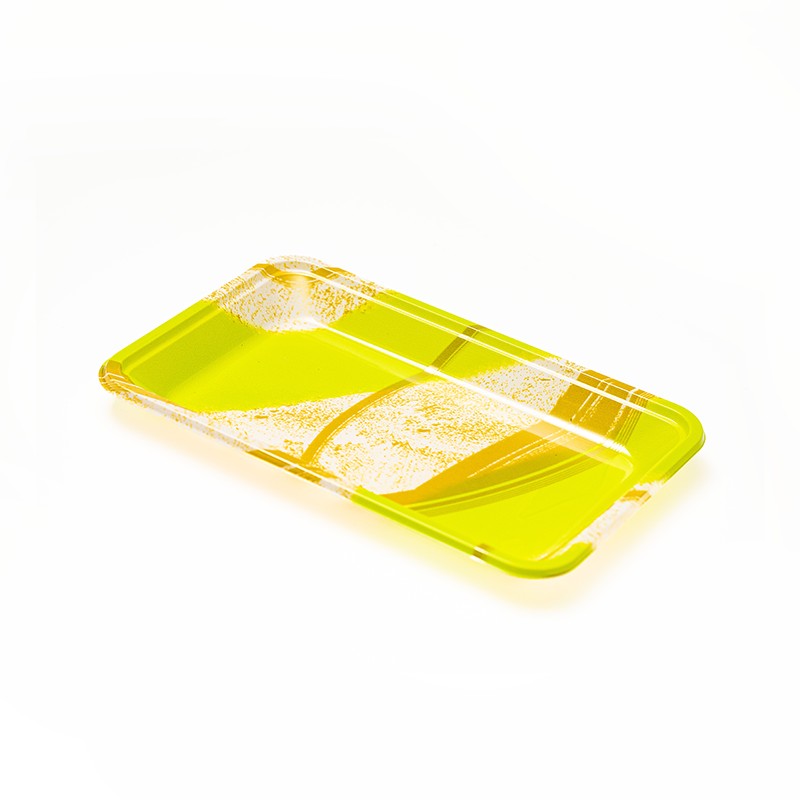
| Colored PET Plastic Food Tray | Gold, black-gold, peach gold and green film finishes | Retail display, premium fruit lines, seasonal promotions | Colour matching, film lamination, scratch resistance |
Adjacent formats in the same product family — clear PET clamshells, lidded fruit containers, PETG heat-seal containers and PP containers with clear lids — cover packs that need a hinged lid, a sealed film or a barrier base instead of an open tray.
Deep, Shallow, Irregular and Coloured: Application Fit
Deep Plastic Fruit Tray
Deep trays carry a high rim and reinforced side walls, which is what makes them work for three-dimensional fruit and for mushrooms and bulk produce. The rim height keeps cling film clear of the product so the wrap seals on the tray edge instead of crushing the fruit, and the reinforced walls allow multi-layer stacking through distribution. Our Deep Plastic Fruit Tray series includes high-transparency and coloured deep formats with reinforced structures.
Shallow PET Fruit Tray
Shallow trays sit low and flat, so the film lies close to the food surface. That geometry gives a tighter seal over sliced fruit, cut vegetables, sliced fish and seafood, and it limits moisture loss and oxidation on fresh-cut lines. The low profile also lets shoppers read colour and quality at a glance in a refrigerated display. The Shallow PET Fruit Tray series covers plain, gold and film-laminated shallow formats.
Irregular Plastic Fruit Tray
Heart, fan, boat and flower outlines move a tray out of the commodity shelf and into gift and seasonal presentation — Valentine's Day, Mother's Day and Christmas fruit boxes, premium brand packs and corporate gifting. Custom outlines, colour and logo embossing are produced from our own molds. The Irregular Plastic Fruit Tray series is built for that differentiated shelf position.
Colored PET Plastic Food Tray
Coloured trays use gold, black-gold, peach gold and green film finishes to lift retail presentation. Colour is matched to a brand reference and applied at the sheet stage, so the tray still reads as food packaging rather than decoration.
Food-Grade PET: Behaviour That Matters in a Sealed Pack
PET is chosen for these trays because of how it behaves in a refrigerated, film-sealed pack rather than because of a single headline property.
- Rigidity and load bearing: the tray holds its shape under stacked packs and does not bow when film is stretched over the rim.
- Cold chain stability: trays keep their form through refrigerated transport and supermarket display.
- Film adhesion: a smooth, flat rim surface gives cling film a continuous contact line, which is what produces the seal.
- Juice containment: the base and side walls hold drip from cut fruit and defrosting product.
- Chemical stability: PET does not react with food, and incoming sheet is checked against food-contact requirements before it enters production.
Specifications We Confirm Before Cutting a Mold
Tray geometry is fixed by the product and the packing line, so we settle these points before tooling starts.
| Parameter | What we need from you | Why it drives the design |
|---|---|---|
| Product footprint and weight | Maximum length, width, height and unit weight of the packed item | Sets cavity size, tray depth and base support |
| Rim depth | Desired clearance above the product | Determines wrap seal position and product protection |
| Wall thickness | Target gauge and rigidity expectation | Balances stiffness, denesting behaviour and material use |
| Outer dimensions | Length × width × depth with acceptable tolerance band | Fits case packing, shelf space and film width |
| Stacking and transport | Number of layers in transit and handling method | Drives side-wall reinforcement and base ribbing |
| Colour and finish | Clear, gold, black-gold, peach gold, green film, embossing artwork | Sets sheet specification and forming parameters |
| Packing format | Sleeve or carton, units per carton, pallet pattern | Defines delivery scope and carton dimensions |
Colour, Film and Surface Options
Appearance is handled at the sheet stage, so colour and surface are set before forming rather than applied afterwards.
- Clear, high-transparency PET for maximum product visibility
- Gold, black-gold and peach gold finishes for premium and gift lines
- Coloured film lamination, including green film for fresh-produce programmes
- Logo and pattern embossing formed into the tray base or rim
- Anti-fog and anti-static treatment where the pack or the line requires it
- Anti-cut edge treatment on shallow trays used with knives and portioning tools
Tooling, Sampling and Production Scale
We build molds in-house from physical samples, product drawings or size requirements, which keeps tooling, trial forming and production in the same facility. A trial run confirms cavity depth, denesting behaviour and rim flatness before a full order is released, and the same tooling then carries the repeat volumes.
Production runs on 16 fully automatic high-speed vacuum forming lines inside a Class 100,000 food dust-free workshop, supported by more than 10 packaging structure engineers and over 50 mold-making and quality-control technicians. Monthly output reaches around 2,000 tons, and annual vacuum forming capacity above 30,000 tons leaves room for peak-season scheduling alongside small trial batches.
Quality Control and Acceptance
Hygiene and quality control run through the whole process, from incoming sheet to packed carton.
- Incoming PET and PP sheet checked for food-contact compliance before warehousing
- Dust-free, controlled production environment with in-line inspection at each process step
- Finished trays sampled for dimensions, sealing behaviour, temperature resistance and odour
- In-house laboratory with temperature resistance chambers, sealing testers, thickness testers and food-material safety equipment
- Third-party food-contact test reports issued against the delivered specification
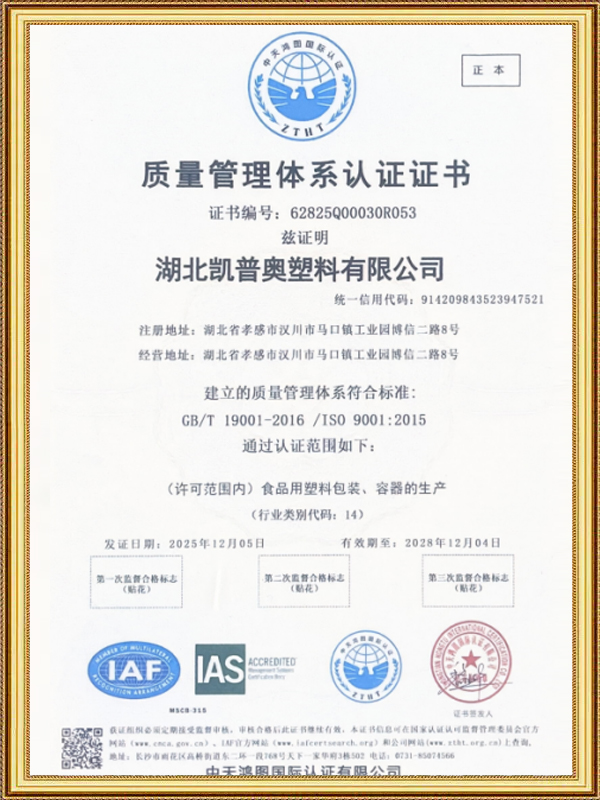
- Quality management operated in line with ISO practice
Information We Use to Configure Your Solution
A proposal is built from the packing task, not from a catalogue number. These inputs let us size the cavity, choose the gauge and set the tooling.
- Product type, maximum footprint and unit weight
- Required rim depth and clearance above the product
- Target outer dimensions and acceptable tolerance band
- Wall thickness or rigidity requirement
- Stacking layers and transport conditions
- Colour, finish and any embossing or logo artwork
- Packing format — sleeve, carton count and pallet pattern
- Annual volume and seasonal peaks
- Destination market and the food-contact documentation required
Frequently Asked Questions
What tray depths can Kipoer produce?
We form both deep trays with high rims and reinforced side walls, and shallow trays with low, flat profiles. Depth is set by the product height, the clearance needed for the cling film to seal on the rim, and the number of stacking layers in transit.
Can you match a tray to an existing sample or drawing?
Yes. Our mold workshop produces tooling from physical samples, product drawings or stated size requirements, and we run a trial forming to confirm cavity depth, rim flatness and denesting before the order is released.
Do you supply stock trays as well as custom molds?
We hold universal food-grade vacuum-formed items such as fresh food trays, fruit boxes and cake trays, and small batches of stock can ship directly. Custom molds cover the sizes, colours and outlines that the standard range does not.
How is colour matched on gold and coloured trays?
Colour is set at the sheet stage against a brand reference, then formed. Gold, black-gold, peach gold and green film finishes are produced this way, and logo or pattern embossing is formed into the tray rather than printed on it.
What documentation accompanies a tray order?
Deliveries are supported by third-party food-contact test reports for the supplied specification, together with dimensional and inspection records from our in-house laboratory covering size, sealing, thickness and temperature resistance.
How quickly does Kipoer respond to a new tray enquiry?
Enquiries received on a working day are answered by a dedicated specialist within 12 hours, with a configuration proposal and quotation based on the product dimensions, volume and packing format you provide.