


 English

 Español
 中文简体



PETG Heat Seal Food Containers Manufactured by Kipoer
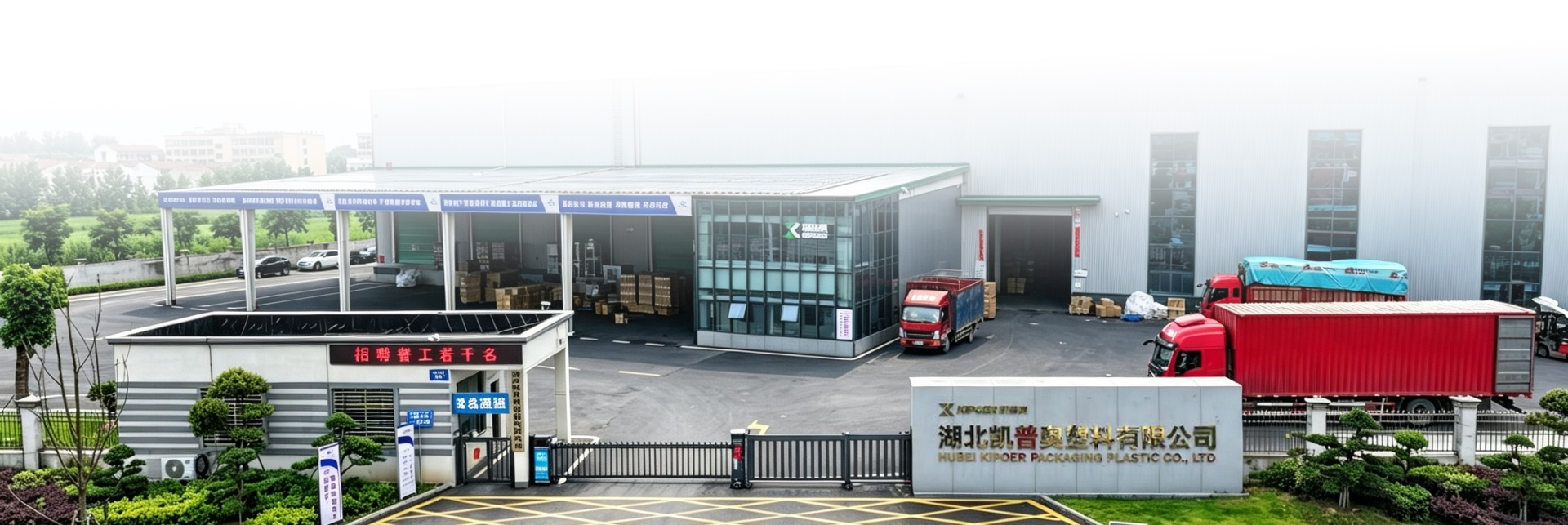
Hubei Kipoer Plastic Packaging Co., Ltd. is a food-grade thermoforming manufacturer founded in August 2015 in Xiaogan, Hubei Province, China, with a total investment of USD 30 million. We extrude our own PET and PP sheet and form finished containers on fully automatic vacuum forming lines inside a Class 100,000 food cleanroom, which keeps wall thickness, clarity and rim geometry under our control from resin through to the packed container.
Our PETG Heat Seal Food Container Manufacturers range is built for airtight and modified atmosphere packing: food-grade aluminum foil or PE composite film is heat-sealed to the container rim, closing the pack against oxygen, moisture and external odours. The format serves fresh-cut fruit, salads, ready-to-eat cereals, baked desserts and pre-prepared meals where shelf life and shelf presentation carry equal weight.
Why the PETG Heat Seal Format Suits Fresh Food
PETG (polyethylene terephthalate-1,4-cyclohexanediol) keeps the transparency of PET while adding flexibility and impact resistance, so the container resists cracking and holds packaging integrity under chilled and cold-chain handling. The material also bonds reliably to sealing film, which is what makes a genuinely airtight pack possible.
- Airtight seal: foil or PE film welded to the rim blocks oxygen, moisture and odour transfer, extending usable shelf life for cut produce and prepared foods.
- Cold-chain stability: the container stays intact through refrigeration and transport rather than becoming brittle.
- Display quality: uniform wall thickness and high moulding precision give a clean, distortion-free appearance after lamination.
- Branding surface: printed lamination and brand logos can be applied to the sealed film for retail presentation.
Our PETG Heat Seal Container Range
Two tooled formats anchor the range, both moulded from food-grade GAG modified PETG. Each is available as a container only, or quoted together with the sealing film specification and rim dimensions required by the packing line.
| Model | Material | Container size | Unit weight | Carton packing | Structural feature |
|---|---|---|---|---|---|
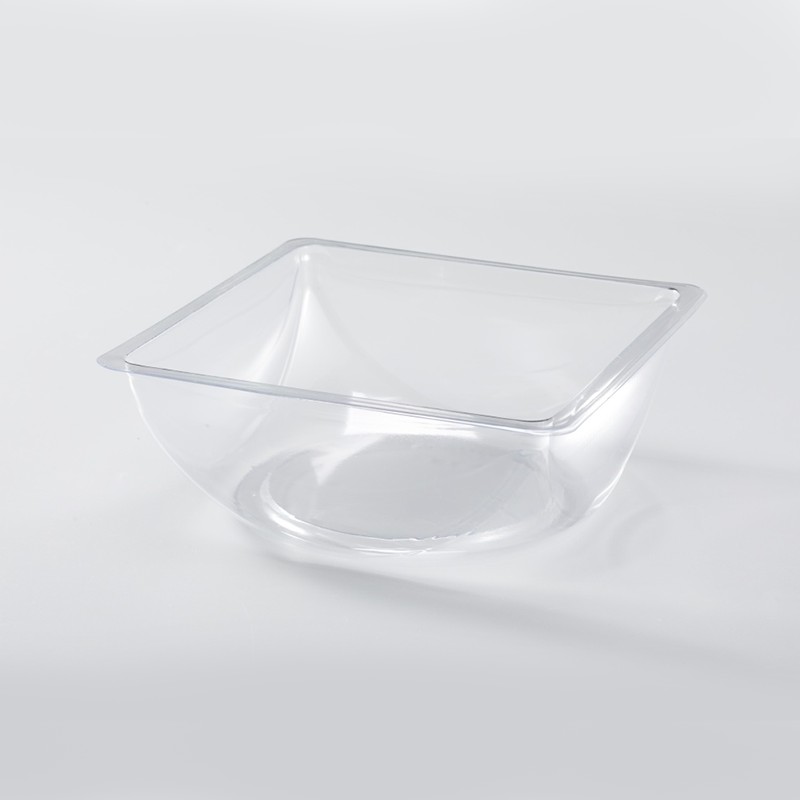
| XGL-1818 | Food-grade GAG (modified PETG) | 185 × 185 × 65 mm | 30 g | 400 pcs/box | Square-top, round-bottom combo; raised base detail with recessed juice groove |
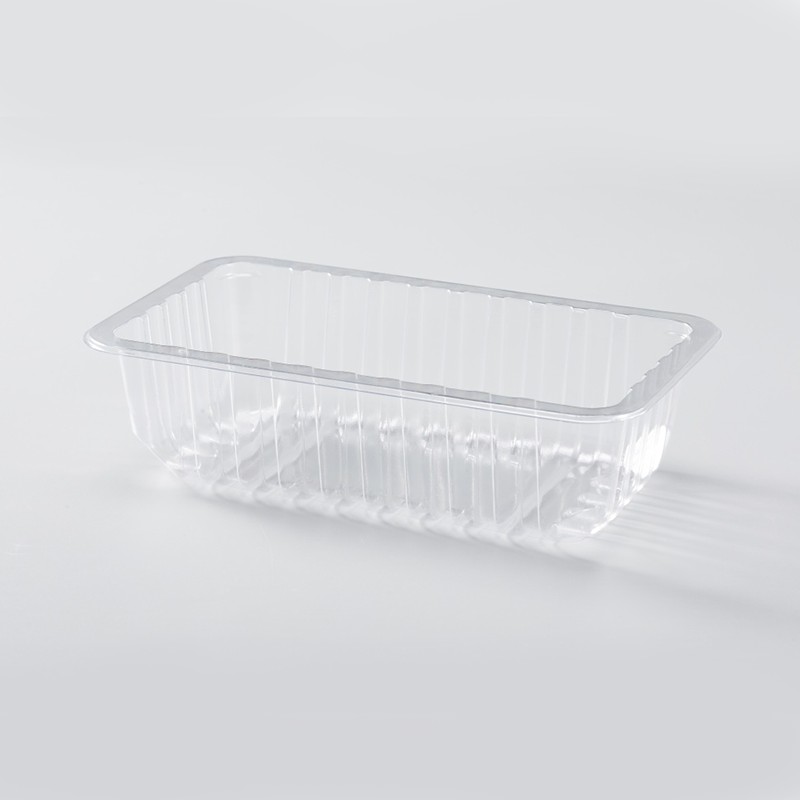
| XGL-2213H6 | Food-grade GAG (modified PETG) | 220 × 130 × 60 mm | 23 g | 600 pcs/box | Reinforced side ribs on all four walls; corner stacking guides for auto-stack and destacking |
The XGL-1818 suits modified atmosphere packs where the pack shape itself has to stand out on a chilled shelf, and its base groove channels released juice away from the food surface. The XGL-2213H6 targets higher-throughput filling lines: the corner stacking guides separate nested units cleanly so automatic destacking runs without jamming, and the reinforced ribs protect contents during stacking and transport.
Application Fit Across Fresh Food Categories
- Fresh-cut fruit and organic vegetables: sealed packs retain texture and colour through chilled distribution; the transparent body keeps the produce visible.
- Ready-to-eat salads and light meals: rectangular formats fit delivery and convenience retail, with MAP gas flushing for longer hold time.
- Baked desserts and pastries: the rigid base carries weight without flexing, and the sealed film protects glazed or dusted surfaces.
- Pre-prepared and chilled meals: airtight closure limits moisture migration between components during cold-chain transport.
- Boutique and high-end retail: printed lamination and logo sealing support premium shelf presentation.
Where a project needs a different pack architecture, our wider food packaging range includes Clear PET Fruit Clamshell Container formats and lidded containers that can be specified alongside heat seal lines for the same retail programme.
Configuration Options and Custom Tooling
Customization is our core business. Our R&D team and in-house mould workshop build tooling from physical samples, product drawings or size requirements, and we adjust the process parameters that matter to the filling operation.
| Configuration item | What we adjust | Typical driver |
|---|---|---|
| Cavity and rim geometry | Length, width, depth, corner radius, sealing flange width | Fill weight, sealing platen size, shelf footprint |
| Wall and base thickness | Sheet gauge and draw distribution | Load weight, stacking height, rigidity target |
| Surface and colour | Colour matching, printed lamination, logo sealing | Brand identity, light-sensitive contents |
| Functional treatments | Anti-fog, anti-static, appearance adjustments | Condensation in chilled display, automated handling |
Sealing Line Integration, Installation and Utilities
Rim geometry is developed against the sealing equipment and film specified for the project, so the container presents a flat, consistent flange to the sealing head and the pack closes without wrinkles or channel leaks. Sealing film and tray-sealing machinery are normally specified by the packer or the equipment supplier; we work to those dimensions and confirm the interface before tooling is cut.
For automated lines we review destacking behaviour, nesting height and stack stability, which is where the corner stacking guides on the XGL-2213H6 matter. Containers are supplied nested in export cartons — 400 pieces per carton for the XGL-1818 and 600 pieces per carton for the XGL-2213H6 — and pallet pattern, carton marking and bagging are confirmed with the order. No special utilities are required at the container level; the sealing line's own power, air and gas supply remain the packer's scope.
Quality Control and Acceptance Testing
Hygiene and quality management run through the whole process. Raw materials are checked for food contact compliance before entering the warehouse, production takes place in a dust-free controlled workshop, and each process step is inspected online. Finished containers are sampled for dimensions, sealing performance, temperature resistance and odour.
- Temperature resistance testing cabinets and sealing testers for closure strength checks.
- Thickness testers for sheet gauge and wall distribution verification.
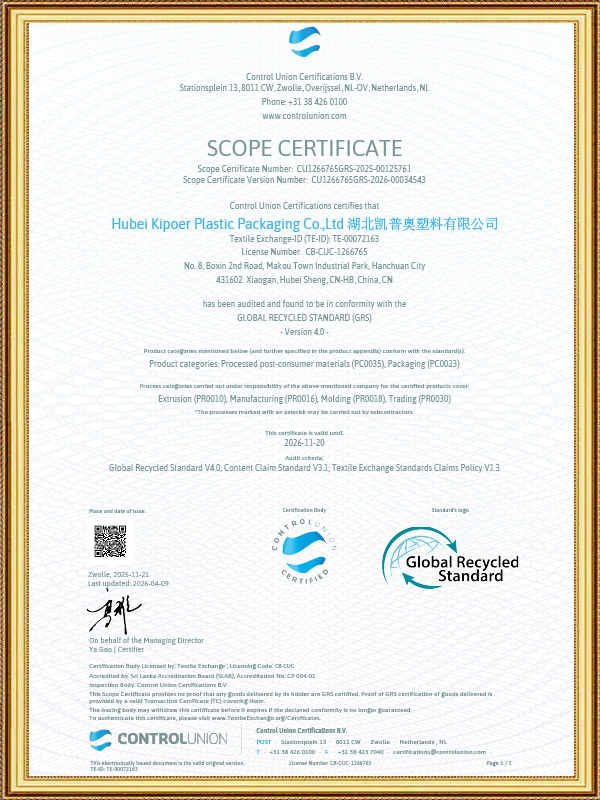
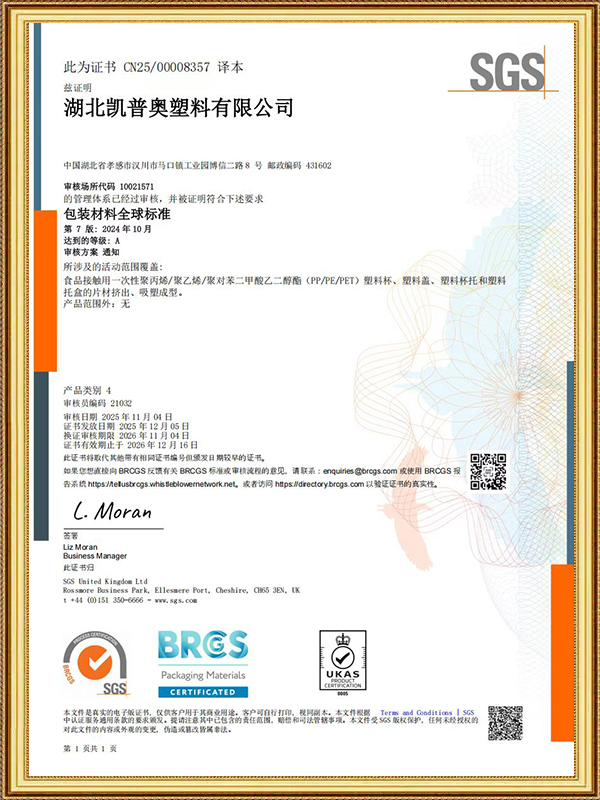
- Food material safety testing equipment, with third-party food contact test reports issued for the supplied material.
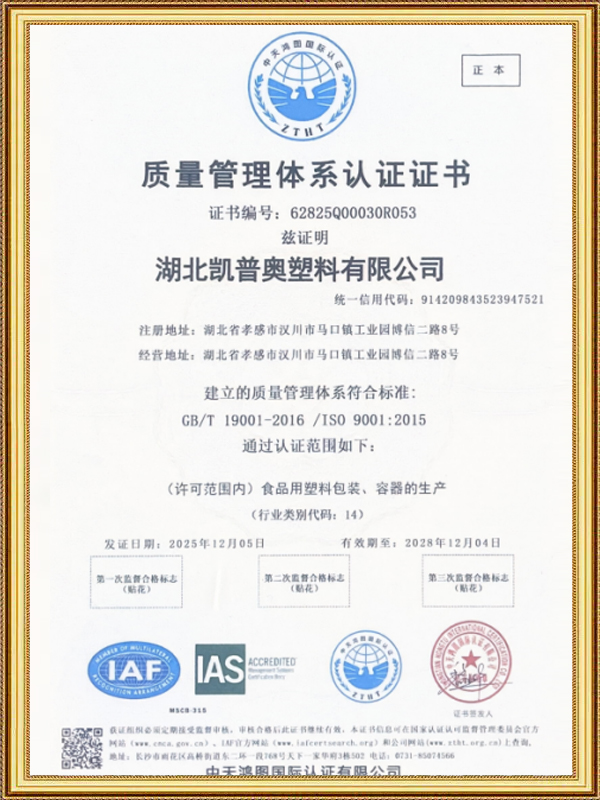
- Quality control system established in accordance with ISO standards.
Production capacity supports both trial and volume programmes: 16 fully automatic high-speed vacuum forming lines, more than 400 employees, a 50,000 m² workshop and an annual vacuum forming capacity above 30,000 tons, with monthly output around 2,000 tons. Our containers are exported to more than 30 countries, and our factory in Xiaogan, Hubei, China handles mould making, forming, inspection and export packing under one roof.
Information We Use to Configure Your Solution
To size a container, confirm the sealing interface and quote accurately, we work from the following project inputs. Where a detail is still open, we propose a starting configuration and refine it against your sample.
- Product to be packed, target fill weight and fill volume, including any sauce or dressing.
- Sealing film type and thickness (aluminium foil or PE composite) and the sealing machine make and platen dimensions.
- Modified atmosphere requirement, if any, including gas mix and residual oxygen target.
- Storage and distribution temperature — chilled, cold chain or frozen — and expected shelf life.
- Line speed, destacking method and whether the container must auto-stack.
- Branding requirements: colour, printed lamination, logo sealing, label area.
- Order profile: trial quantity, annual volume, peak-season demand and delivery schedule.
- Destination market and the food contact documentation required for that market.
Frequently Asked Questions
How does a PETG heat seal container differ from a standard PET clamshell?
A clamshell closes mechanically with a hinge, latch or lid. A PETG heat seal container is closed by welding foil or PE film to the rim, which produces a continuous airtight seal rather than a mechanical gap. That seal is what allows modified atmosphere packing and meaningful shelf-life extension for cut produce, salads and prepared foods.
Which sealing films work with your containers?
Food-grade aluminium foil and PE composite films both bond to the GAG modified PETG rim. The film is selected against the product, the gas mix and the sealing equipment in use, and we confirm the flange width and rim flatness so the seal runs cleanly on your line.
Can you produce a custom size or a new mould?
Yes. We build tooling in-house from physical samples, drawings or stated dimensions, and we adjust appearance, thickness, colour matching, anti-fog, anti-static and laminating to suit the application. Standard vacuum-formed items are also held in stock, so small trial batches can ship directly while a custom mould is in preparation.
What testing is carried out before containers are shipped?
Incoming sheet is checked for food contact compliance, production runs under dust-free controlled conditions with online inspection at each process, and finished containers are sampled for dimensions, sealing performance, temperature resistance and odour. Third-party food contact test reports are issued for the supplied material.
What volumes can you handle, and can you support a trial order?
Our 16 fully automatic high-speed vacuum forming lines and Class 100,000 cleanroom give an annual vacuum forming capacity above 30,000 tons, with roughly 2,000 tons per month. Small-batch trial orders and large long-term programmes both run on the same equipment, and capacity is held in reserve for peak-season scheduling.
Do you supply replacement tooling and spare mould components?
Because mould processing is carried out in our own workshop, repeat tooling and replacement mould components for an existing container can be produced from the original drawing or a retained sample, keeping a running packaging programme supplied over its life.