


 English

 Español
 中文简体



Plastic Deli Tray With Clear Lid Manufacturing at Kipoer
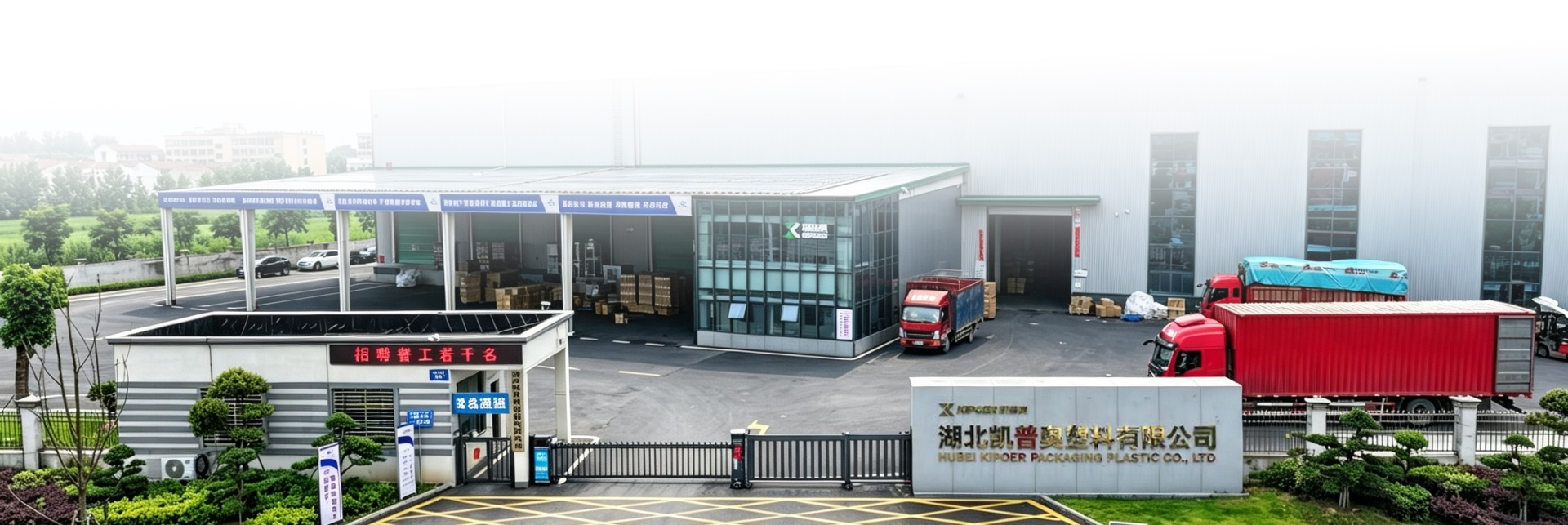
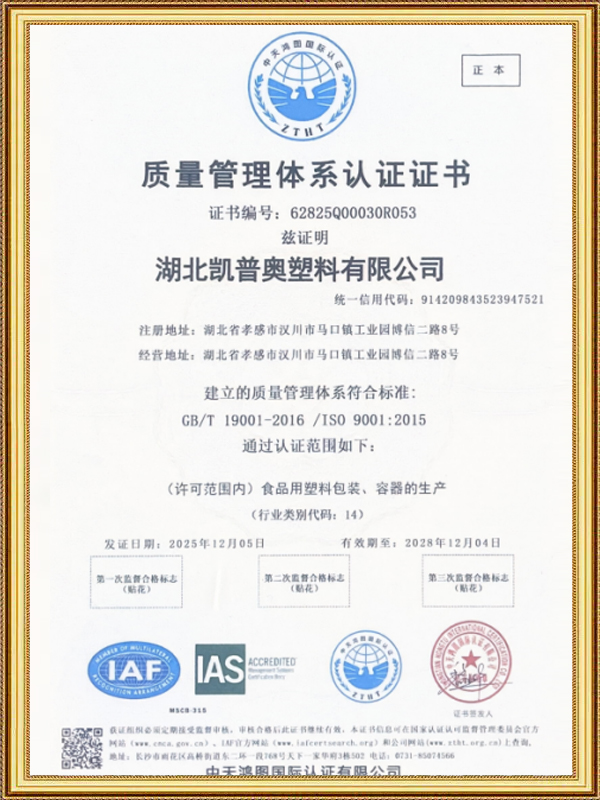
Hubei Kipoer Plastic Packaging Co., Ltd. has produced food-grade thermoformed packaging since August 2015 from our manufacturing base in Xiaogan, Hubei, China. The Disposable Plastic Deli Trays Manufacturers range we run on 16 fully automatic high-speed vacuum forming lines is built around a food-grade PP base and a transparent lid, sized for cooked-food retail, supermarket deli counters, takeaway service and cold-chain delivery.
Sheet extrusion, in-house mold processing and a Class 100,000 food cleanroom sit inside the same plant. That vertical structure lets us hold base thickness, lid fit and anti-fog behaviour from the sheet stage through to the packed carton, instead of assembling a tray from bought-in parts.
Our Disposable Plastic Deli Tray Range
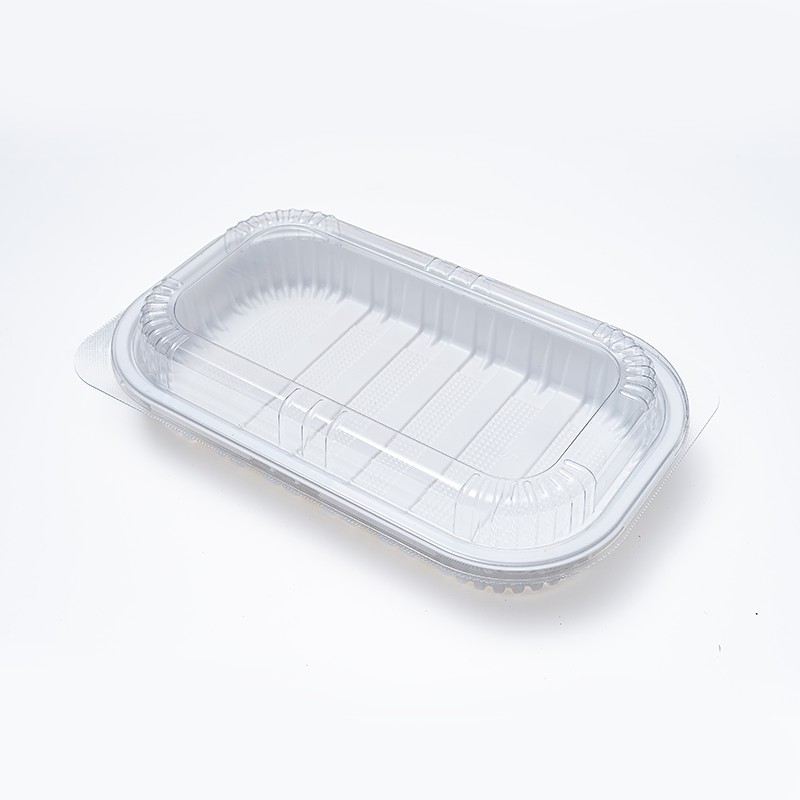
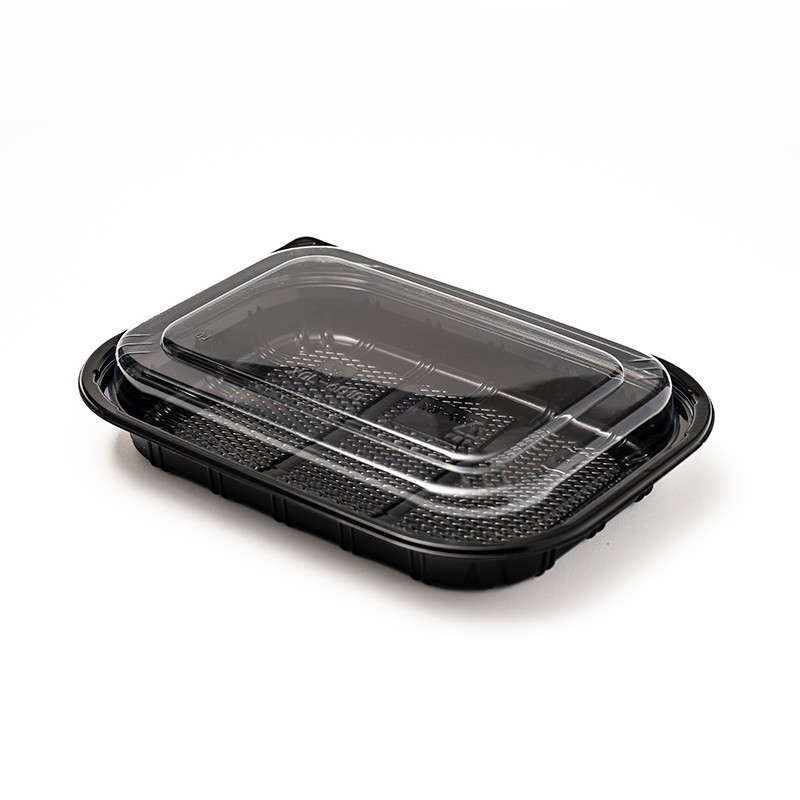
Two XGL-315 formats anchor the deli tray line, and both share the same PP base geometry with a clear lid. Base colour is the main selection variable, because it changes how the food reads under counter lighting.
| Format | Base | Lid | Deli application fit | Packaging consideration |
|---|---|---|---|---|
| XGL-315 PP base, off-white | Food-grade PP, off-white | Clear anti-fog PET lid | Poached chicken, steamed fish, lighter-coloured cooked foods | Neutral base keeps pale proteins and light sauces visually accurate |
| XGL-315 PP base, black | Food-grade PP, black | Clear anti-fog PET lid | Braised beef, char siu, roast chicken, braised pig's trotters | Dark base increases contrast so glazed meats appear brighter |
| Standard deli tray with clear lid | Food-grade PP | Clear lid, tight-seal rim | General cooked-food counter and takeaway service | Grease containment and lid retention through repeated handling |
| Plastic Frozen Meat Tray With Clear Lid | Food-grade PP | Clear lid | Frozen and chilled meat, cold-chain retail | Low-temperature resistance and stack stability in the freezer |
| PP Food Container With Clear Lid | Food-grade PP | Clear lid | Broader cooked-food and ready-to-eat lines | Range extension where a deeper container is required |
Base Colour and Lid Selection
- Black base — raises contrast against glazed and braised meats, so braised beef, char siu, roast chicken and braised pig's trotters read brighter on the shelf.
- Off-white base — keeps pale foods visually accurate for poached chicken, steamed fish and light-coloured sauces.
- Clear lid — the tight-seal rim contains cooked-food grease and keeps the pack clean through counter handling and delivery.
- Anti-fog lid — specified for chilled and warm packs where condensation would otherwise obscure the product.
Material and Food-Contact Considerations
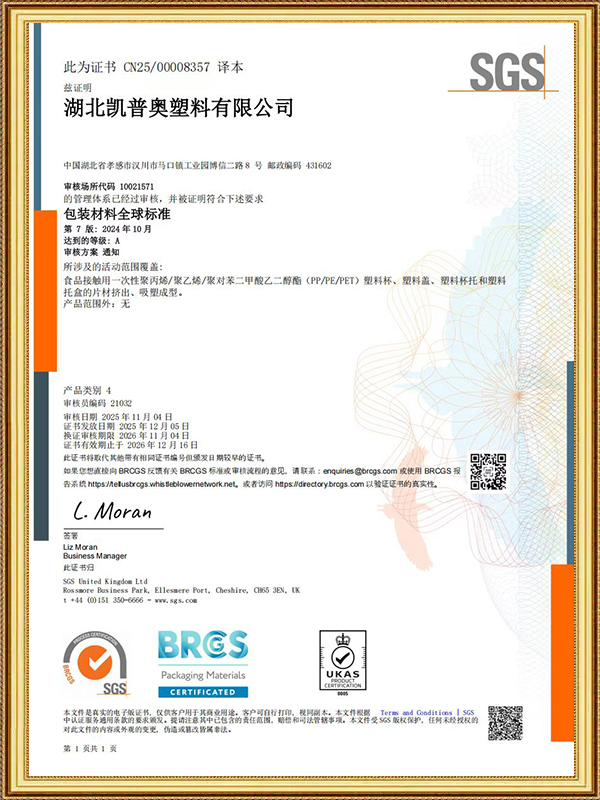
The base is moulded from food-grade PP, which is grease-resistant and low-temperature resistant and is specified for direct cooked-food contact. Raw material is checked against food contact requirements before it enters the warehouse, and the forming area is a dust-free controlled environment.
Where a project needs documented evidence, we issue third-party food contact testing reports from our own laboratory. Temperature resistance, sealing and wall thickness are measured on finished parts rather than assumed from the sheet specification.
Capacity, Tooling and Customization
Annual vacuum forming capacity exceeds 30,000 tons across the 50,000 m² workshop, with monthly output around 2,000 tons and more than 400 employees. Small-batch trial orders and long-run seasonal programmes are scheduled on the same lines, which leaves surplus capacity for peak-season demand.
- Custom molds produced in our own mold workshop from physical samples, product drawings or size requirements.
- Process adjustments for appearance, base thickness, colour matching, anti-fog, anti-static and laminating.
- Universal stock trays available for small-batch shipment without new tooling.
- More than 10 packaging structure R&D engineers, supported by over 50 mold making and quality control technicians.
Configuration Choices We Produce
| Parameter | Options | Effect on the pack |
|---|---|---|
| Base colour | Black, off-white, matched colour | Product contrast and brand presentation |
| Base thickness | Adjusted to fill weight and stacking | Rigidity, grease resistance, material use |
| Lid | Standard clear, anti-fog | Visibility in chilled or warm display |
| Tray depth | Shallow to deep formats | Portion size and sauce containment |
| Surface finish | Standard, laminated | Label adhesion and print presentation |
Quality Control and Acceptance
Hygiene and quality management run across the whole process: incoming material checks, dust-free forming, in-line inspection at each process step, and finished-product sampling for dimensions, sealing, temperature resistance and odour.
Our laboratory is equipped with temperature resistance chambers, sealing testers, thickness testers and food material safety testing equipment. Acceptance criteria for a deli tray order are agreed on the approved sample — footprint, depth, base colour, lid fit, anti-fog grade and pack count — and production is measured against that reference.
Packing, Delivery and Documentation
Deli trays are nested and bagged, then packed in export cartons with pallet patterns agreed at order confirmation. Carton count, bag count, labelling and pallet configuration are fixed in the order documents so receiving checks match the shipment.
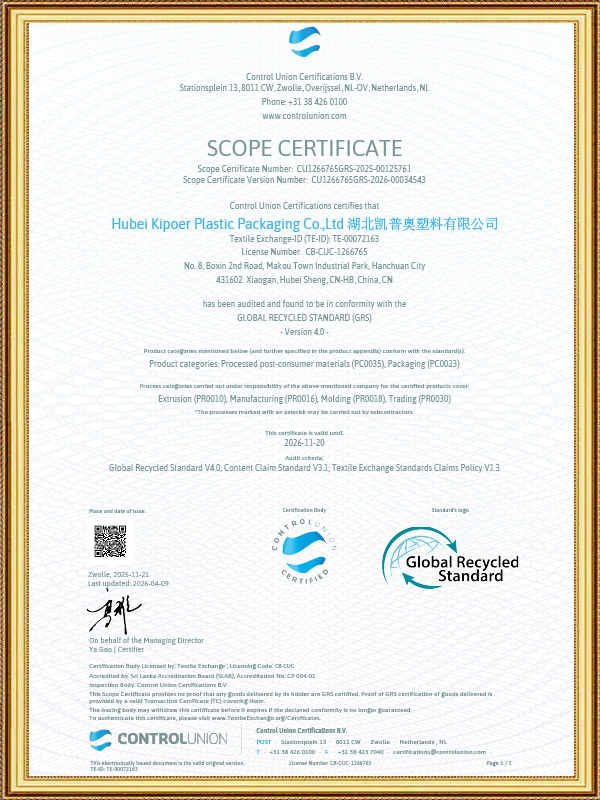
Food contact test reports, material information and packing lists are issued with the order where the destination market requires them. Our packaging ships to more than 30 countries, including the United States, Germany, Japan, Spain, Italy, the United Kingdom, South Korea, Australia and Canada.
Information We Use to Configure Your Solution
We prepare a deli tray configuration and quotation from the working conditions of the pack, not from a catalogue number alone. These inputs let us confirm tooling, material and packing in one pass.
- Food type, serving temperature, and whether the pack is hot-filled, chilled or frozen.
- Target fill weight, plus the tray footprint and depth required.
- Base colour — black, off-white or a matched shade.
- Lid type: standard clear or anti-fog, and the closure or seal requirement.
- Cold-chain range and expected time in transit.
- Annual volume, order frequency and peak-season profile.
- Destination market, labelling and importer documentation.
- An existing sample, drawing or pack to match.
Frequently Asked Questions
What is the difference between the black and off-white XGL-315 deli trays?
Both use the same food-grade PP base and clear lid. The black base raises contrast so glazed and braised meats — braised beef, char siu, roast chicken, braised pig's trotters — read brighter under counter lighting. The off-white base suits lighter cooked foods such as poached chicken and steamed fish, where a neutral background keeps product colour accurate.
Are these trays suitable for hot braised food and cold-chain delivery?
The PP base is grease-resistant and low-temperature resistant, so one format works across a warm deli counter and a chilled delivery route. The tight-sealing clear lid contains cooked-food grease and keeps the pack clean in transit. For chilled display where condensation is a problem, we supply the anti-fog lid version, including the XGL-315 Black Commercial Anti-fog Plastic Deli Tray With Clear Lid.
Can you produce a custom deli tray size or base colour?
Yes. We produce molds in-house from physical samples, drawings or size requirements, and adjust appearance, base thickness, colour matching, anti-fog, anti-static and laminating. Where a standard footprint already fits, universal stock trays can ship in small batches without new tooling.
What production capacity do you have for deli trays and food containers?
Our 16 fully automatic high-speed vacuum forming lines run in a 50,000 m² workshop, with annual vacuum forming capacity above 30,000 tons and monthly output around 2,000 tons. Small-batch trial orders and long-run seasonal programmes are scheduled on the same lines, with surplus capacity held for peak season.
How is quality checked before a deli tray order ships?
Incoming material is checked against food contact requirements, forming runs in a dust-free controlled area, and each process step is inspected in line. Finished trays are sampled for dimensions, sealing, temperature resistance and odour, and third-party food contact testing reports are issued from our laboratory where the project requires them.
What do you need to quote a deli tray project?
Food type and serving temperature, target fill weight, tray footprint and depth, base colour, lid type, cold-chain range, annual volume and peak profile, destination market, and any sample or drawing to match. With those inputs we confirm tooling, material and packing in a single proposal.